
PriceProPharmacy: Your Guide to Medications and Wellness - Page 3

mRNA therapeutics have revolutionized medicine, but their side effects and long-term safety are closely monitored. Learn what’s common, what’s rare, and how global systems track safety after approval.

Learn the essential questions to ask your pharmacist about drug interactions to avoid dangerous side effects, hospital visits, and medication failures. Your safety starts with a simple conversation.
Learn how to read Medication Guides to spot serious drug risks and follow critical monitoring steps. These FDA-mandated guides can prevent life-threatening side effects-if you know where to look.
Follow these five essential rules to take your medication safely and avoid dangerous errors. Learn how to verify the right drug, dose, time, route, and patient - plus key tips to prevent mistakes at home.

Birth control pills are widely used but their effectiveness drops without perfect use. Learn how they work, their real-world failure rates, common side effects, dangerous drug interactions, and what to do if you miss a pill.
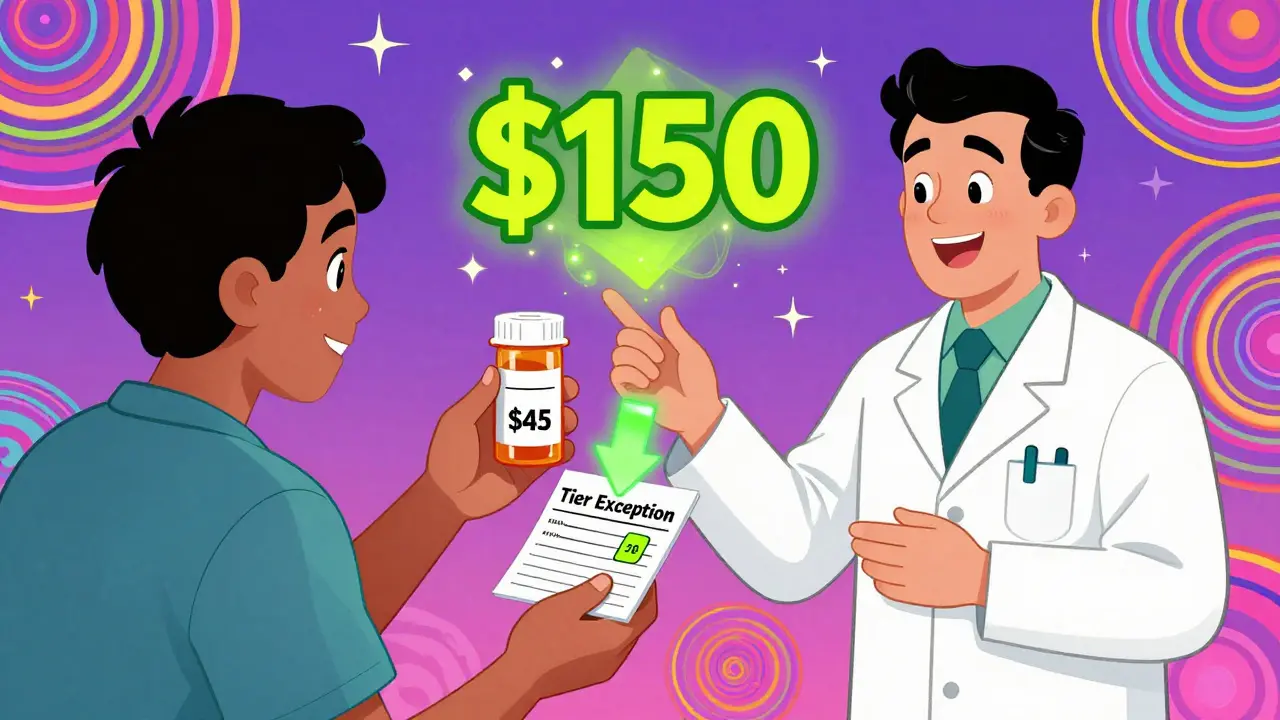
Learn how to request a tier exception to lower your medication copays by moving a covered drug to a cheaper tier. Save hundreds per month with this underused Medicare Part D benefit.

Opioid rotation helps patients reduce side effects like nausea and drowsiness by switching to a different opioid. It’s not about quitting opioids-it’s about finding one that works better for your body. Learn when it’s used, which swaps work best, and how to stay safe.
Generic medications save up to 85% on drug costs while being just as effective as brand-name drugs. Learn why switching is safe, approved by the FDA, and how it can cut your monthly expenses dramatically.

Discover how healthcare providers in Europe, Asia, and North America view generic drugs. Learn why adoption varies globally and what drives future growth in affordable medications.

Learn how to read refill information on your prescription label to avoid shortages. Discover where to find it, what numbers mean, and practical tips. Understand pharmacy display differences and common mistakes. Get advice on requesting refills and insurance rules. Stay in control of your meds.