
Heart Attack: Causes, Warning Signs, and What to Do Next
When your heart doesn’t get enough blood, it’s called a heart attack, a medical emergency caused by blocked blood flow to the heart muscle. Also known as myocardial infarction, it happens when a clot cuts off oxygen to part of your heart — and every minute counts. Most people think of a heart attack as sudden, crushing chest pain. But it’s not always that obvious. Some feel like indigestion. Others get jaw pain, nausea, or just extreme fatigue. Women, older adults, and people with diabetes often have subtler symptoms — which is why so many delay calling 911.
A coronary artery disease, the buildup of fatty plaque in heart arteries is the main cause. Over time, that plaque cracks, and your body sends clotting agents to fix it — but the clot ends up blocking blood flow entirely. Risk factors like high blood pressure, smoking, obesity, and lack of movement make this worse. Even statins, medications that lower cholesterol to prevent artery blockages can’t undo years of damage if you’re not also changing your daily habits.
What you do in the first 10 minutes after symptoms start can save your life. Calling emergency services right away is better than driving yourself. Emergency crews can start treatment on the way — like aspirin or oxygen — and get you to a hospital with a cath lab faster than any private ride. If you’re around someone having symptoms, don’t wait for them to "feel better." Ask if they’re having chest pain. If they say yes, or even if they’re just pale and sweating, call 911. Don’t give them anything to eat or drink. Just keep them calm and still.
Many people recover and go on to live full lives after a heart attack — but only if they take the next steps seriously. That means cardiac rehab, quitting smoking, eating real food instead of processed stuff, and sticking to meds like blood thinners or beta blockers. It’s not about being perfect. It’s about being consistent. And it’s not just for the person who had the attack — it’s for everyone who cares about them. Because heart attacks don’t happen in isolation. They’re often the result of long-term neglect — of diet, stress, movement, or medical checkups.
Below, you’ll find real, practical guides on what happens inside your body during a heart attack, how medications like statins help prevent them, and what to watch for if you’re at risk. No fluff. Just what you need to know to stay safe — or help someone else stay alive.
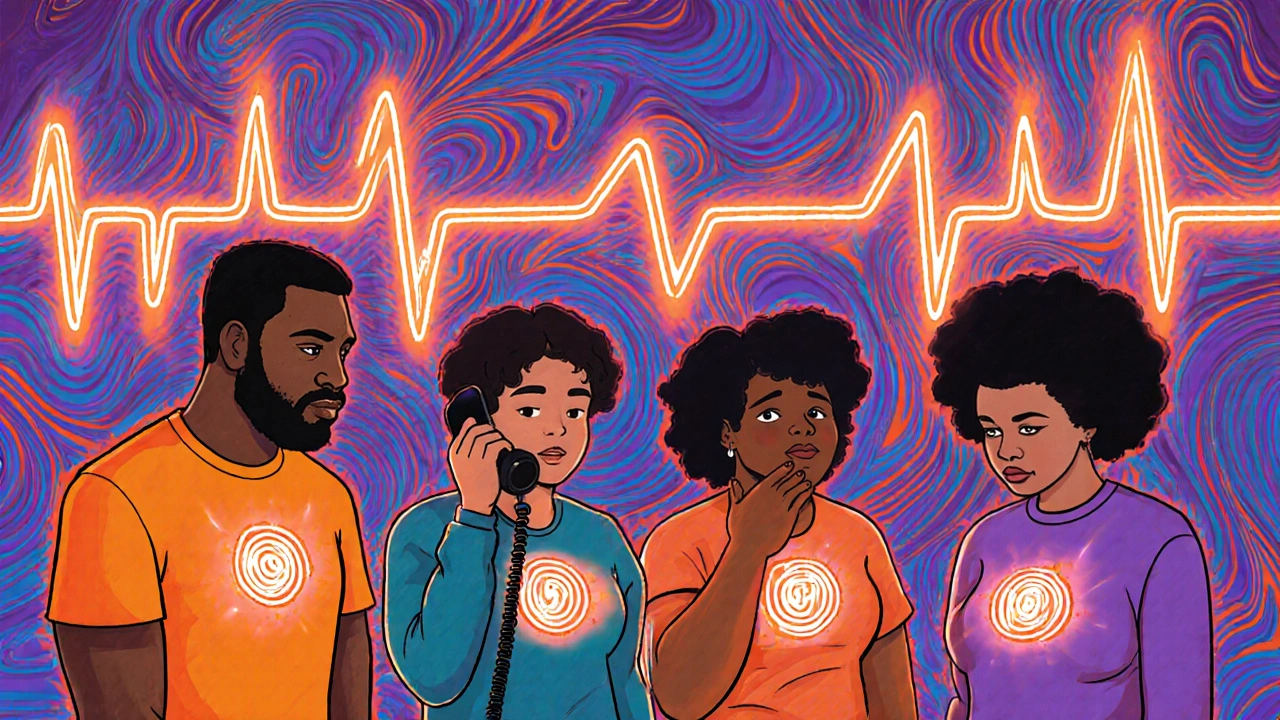
Chest pain can signal a heart attack or other serious condition. Learn the warning signs that require immediate emergency care, how hospitals evaluate chest pain, and why calling 9-1-1 is always the safest choice.