
Every year in the U.S., over 1.3 million people end up in the emergency room because of medication mistakes. Many of these aren’t accidents - they’re preventable. Whether you’re taking one pill a day or five different medications, getting it right isn’t optional. It’s life or death. The good news? You don’t need a medical degree to stay safe. Just follow these five essential rules.
Rule 1: Know the Right Patient - That’s You
It sounds obvious, but mistakes happen when someone else’s pills end up in your hand. Pharmacies mix up names. Pills look alike. Even your own memory can fail. Always double-check that the prescription in your hand matches your name, date of birth, and the condition you’re treating. If you’re picking up meds at the pharmacy, ask: "Is this for Andy Dargon?" Don’t just nod and walk away. Many errors happen because people assume the pharmacist got it right. They didn’t always. The Joint Commission requires two patient identifiers - name and DOB - in hospitals. You should do the same at home. If you’re helping a parent or child, confirm their full name and birthdate every single time. Write it down if you have to. It’s not paranoia. It’s protection.Rule 2: Confirm the Right Drug - Name, Look, and Purpose
There are thousands of drugs out there, and some of them sound or look almost identical. Think of hydroxyzine (an antihistamine) and hydralazine (a blood pressure drug). Mix them up, and you could have a dangerous reaction. Always check the generic and brand name on the label. If your pill looks different than last time - even if the name is the same - ask your pharmacist why. Did the manufacturer change? Is this a generic version? Don’t assume it’s the same. Also, ask yourself: "Why am I taking this?" If you can’t explain its purpose to someone else, you don’t fully understand it. A 2022 Kaiser Family Foundation survey found that 61% of seniors over 65 had at least one moment of confusion about why they were taking a medication. Don’t be one of them.Rule 3: Get the Right Dose - No Guessing Allowed
Dosing isn’t one-size-fits-all. A pill that’s safe for a 200-pound adult could be deadly for a 90-pound senior or a child. Insulin, blood thinners, and opioids are especially risky - they’re called "high-alert" medications for a reason. The CDC says 15% of dosing errors happen in kids because weight-based calculations go wrong. Even adults can mess this up. If your doctor says "take 10 mg," make sure you’re not confusing milligrams (mg) with micrograms (mcg). That’s a 1,000-fold difference. Use a pill splitter only if your pharmacist says it’s safe. Never eyeball doses. If you’re unsure, call your pharmacy. Most have pharmacists on call for questions. And if you’re taking more than five medications - which 41% of seniors do - ask for a medication review. A pharmacist can spot duplicates, interactions, or unnecessary pills.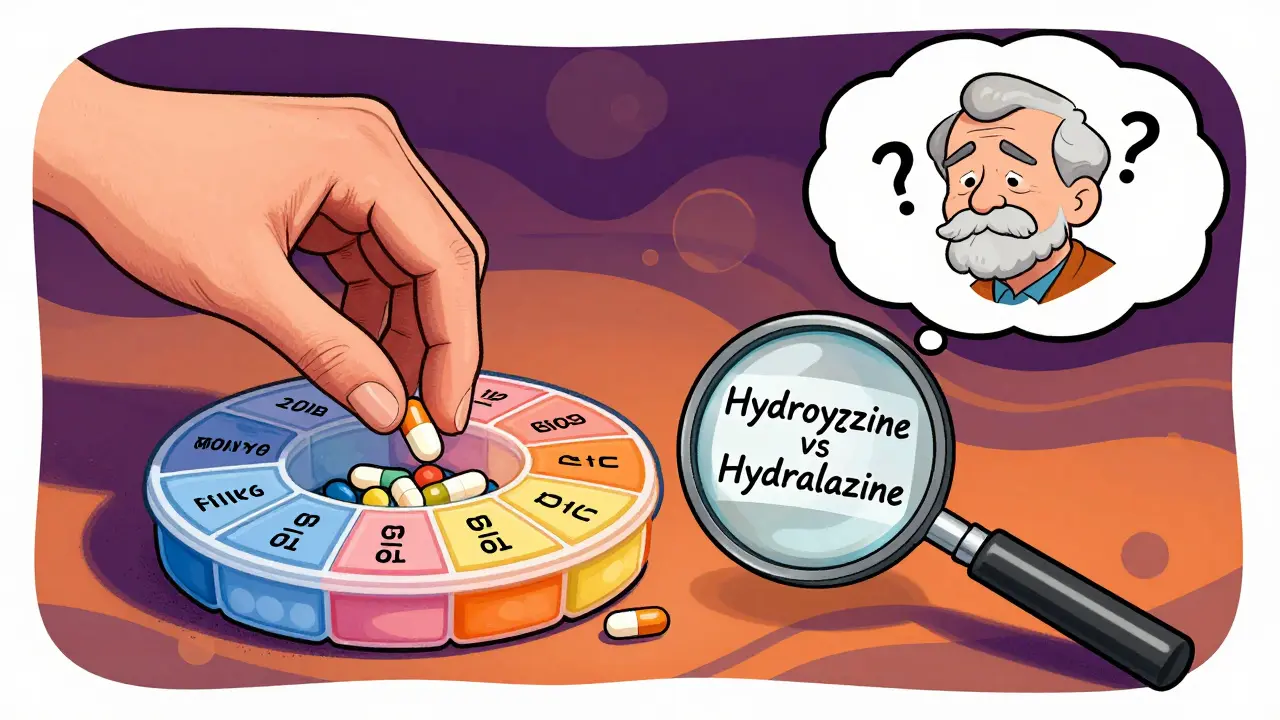
Rule 4: Use the Right Route - Don’t Chew What’s Meant to Swallow
How you take a drug matters as much as what you take. Some pills are designed to dissolve slowly in your stomach. Crush them, and you get a dangerous rush of medicine. Others are meant to go under your tongue, not swallow. A 2021 AHRQ study found that 16% of medication errors involve the wrong route. A common mistake? Crushing extended-release pills to mix with applesauce. That’s how some people try to make it easier to swallow - but it can cause overdose. Same with patches. Don’t put a fentanyl patch on a burn or broken skin. Don’t take a liquid oral suspension by injection. If you’re unsure how to use a device - like an inhaler, nasal spray, or insulin pen - ask your pharmacist to show you. Do it in front of them. Then do it again. Watch a video on the manufacturer’s website. Don’t rely on memory. A 2023 study in JAMA Internal Medicine showed that 37% of patients using inhalers didn’t use them correctly - even after being told how.Rule 5: Take It at the Right Time - Consistency Saves Lives
Timing isn’t just about convenience. It’s about effectiveness. Antibiotics need steady levels in your blood to kill bacteria. Blood pressure meds work best if taken at the same time each day. Some drugs, like statins, are more effective when taken at night. Others, like corticosteroids, are meant for morning use to match your body’s natural rhythm. The CDC says time-critical meds should be given within 30 minutes of the scheduled time - and some, like insulin or chemo pills, need to be within 15 minutes. Missed doses? They add up. A 2022 survey found that 28% of seniors skipped doses because they weren’t sure when to take them. Use a pill organizer. Set phone alarms. Link your pills to daily habits - like brushing your teeth or eating breakfast. If you’re on a complex regimen (five or more meds), ask your doctor or pharmacist for a simplified schedule. Some pharmacies offer blister packs with time slots printed on them. Use them.
What’s Missing? The Other Four Rights
The classic "Five Rights" - right patient, drug, dose, route, time - are the foundation. But modern safety goes further. You should also know the right reason (why this drug makes sense for you), the right documentation (keep a written list of everything you take), the right response (watch for side effects), and the right education (understand what to do if something goes wrong). Keep a current list of all your medications - including supplements and over-the-counter drugs - and bring it to every appointment. Update it every time you start, stop, or change a dose. Apps like Medisafe or MyTherapy can help. But paper works too. Write it down. Keep it in your wallet.Real Problems, Real Solutions
Even when people follow the rules, things go wrong. Look-alike pills. Confusing labels. Pharmacies running out of stock. A 2023 ISMP report showed that 22% of patients followed their label exactly - and still got hurt because of hidden drug interactions. That’s why you need to talk to your pharmacist. They’re not just the person handing you the bottle. They’re your safety net. Ask: "Could this interact with my other meds?" "Is there a cheaper version?" "What side effects should I watch for?" Don’t wait for them to ask you. Ask first. Also, do a "brown bag" review once a year: bring all your meds - bottles, supplements, even the ones you don’t take anymore - to your doctor or pharmacist. They’ll spot duplicates, expired pills, and unnecessary drugs. One study found this cut medication errors by 30%.Final Tip: Trust Your Gut
If something feels off - the pill looks different, the label seems wrong, you don’t remember being told to take it - stop. Don’t take it. Call your pharmacy. Call your doctor. Wait. Ask. It’s better to be late than dead. Medication safety isn’t about perfection. It’s about awareness. You’re not just following rules. You’re protecting yourself.What should I do if I miss a dose of my medication?
Don’t double up unless your doctor or pharmacist says it’s safe. Check the label or call your pharmacy. For most medications, if you remember within a few hours of the missed time, take it. If it’s almost time for the next dose, skip the missed one. Never guess. Some drugs, like antibiotics or birth control, have specific rules. Always ask.
Can I crush my pills if I have trouble swallowing them?
Only if the label or your pharmacist says it’s okay. Many pills - especially extended-release, enteric-coated, or sublingual ones - are designed to release slowly or dissolve in specific areas of your body. Crushing them can cause overdose, stomach irritation, or loss of effectiveness. Always ask before crushing. There are liquid versions or alternative forms for many medications.
How do I know if a medication is expired and still safe to use?
Check the expiration date on the label. After that date, the drug may lose potency or become unsafe. Some pills, like antibiotics, can become toxic after expiration. Don’t take anything past its date. Even if it looks fine. The FDA says most medications lose effectiveness over time, and there’s no reliable way to tell if they’re still safe without lab testing. When in doubt, throw it out. Many pharmacies offer take-back programs.
Why do some medications need to be taken with food and others on an empty stomach?
Food can change how your body absorbs a drug. Some meds need food to reduce stomach upset. Others won’t work if taken with food because food blocks absorption. Antibiotics like amoxicillin work better with food. Others, like levothyroxine (for thyroid), must be taken on an empty stomach. Always follow the label. If it says "take on an empty stomach," wait 30-60 minutes before eating. If it says "with food," eat a light meal. Don’t assume.
Is it safe to take leftover antibiotics for a new infection?
No. Antibiotics are prescribed for specific infections, doses, and durations. Taking leftover pills can lead to under-treatment, antibiotic resistance, or dangerous side effects. A new infection may be caused by a different germ. Even if symptoms seem similar, the cause might be completely different. Always see a doctor before taking any antibiotic. Never share prescriptions.
What should I do if I think I had a bad reaction to a medication?
Stop taking the medication and call your doctor or pharmacist immediately. If you have trouble breathing, swelling of the face or throat, or chest pain - go to the ER. Even mild symptoms like rash, dizziness, or nausea should be reported. Keep a record of what you took, when, and what happened. Report it to the FDA’s MedWatch program. Your report helps improve safety for others.
Releted Post

Andy Dargon
Hi, I'm Aiden Lockhart, a pharmaceutical expert with a passion for writing about medications and diseases. With years of experience in the pharmaceutical industry, I enjoy sharing my knowledge with others to help them make informed decisions about their health. I love researching new developments in medication and staying up-to-date with the latest advancements in disease treatment. As a writer, I strive to provide accurate, comprehensive information to my readers and contribute to raising awareness about various health conditions.
The idea that patients can just "follow five rules" and avoid medication errors is laughably naive. You think people are going to double-check their name and DOB at the pharmacy while juggling three kids, a job, and a 70-year-old parent with dementia? The system is broken. Pharmacies are understaffed, labels are illegible, and pharmacists are rushed off their feet. This isn't about personal responsibility - it's about structural failure. If you want to save lives, fix the infrastructure, not lecture the sick.
And don't get me started on "use a pill organizer." Have you seen the cost of those? Or the fact that 40% of Americans can't afford their prescriptions? This article reads like a corporate brochure written by someone who's never missed a dose because they're not broke.
Real solution? Free medication access. Universal pharmacy support. Mandatory pharmacist-patient consultations. Not more checklists for the already overwhelmed.
Oh please. Rule 1: "Know the right patient - that’s you." Wow. Groundbreaking. As if the 1.3 million ER visits are caused by people forgetting their own names. The real issue is polypharmacy in the elderly - a systemic failure of geriatric care, not individual negligence. And Rule 3? "No guessing allowed." Tell that to the 62-year-old diabetic on insulin who can’t afford a glucometer, let alone a pharmacist consultation.
This is performative safety. A checklist for people who already have access to healthcare. Meanwhile, rural patients are getting pills in unlabeled ziploc bags because the nearest pharmacy is 80 miles away. You don’t solve systemic problems with bullet points and condescension.
Also - "brown bag" reviews? Sure, if you have transportation, time off work, and a doctor who doesn’t dismiss you because you’re on Medicaid. This article is a luxury.
I love this. Seriously. I’m 68 and on seven meds, and this saved me. I used to just grab pills and hope for the best. Now I write everything down - even the OTC stuff like ibuprofen. I even took a photo of my pill organizer and sent it to my daughter. She’s in Florida, I’m in Ohio - but now we both know what I’m taking.
And yes, I called my pharmacist when my blood pressure pill looked different. Turns out it was a generic switch. She walked me through it. No judgment. Just help.
If you’re reading this and you’re scared of your meds? Start small. One pill. One question. One call. You’ve got this. You’re not alone. And yes - your gut is right. Trust it. I did. It saved me.
Also - I started using MyTherapy. Free. Easy. Game changer.
As a nurse who’s seen the fallout of medication errors firsthand, I want to say thank you for this clear, practical guide. The five rights are foundational, but the real magic is in the habit of asking - "Why am I taking this?" That single question has prevented more harm than any protocol.
I work in a busy ER. Last week, a man came in with a near-fatal reaction because he’d been taking two different antihistamines for years - didn’t realize they were the same drug under different names. He didn’t know his own meds. Not because he was careless - because no one ever sat down with him and explained it.
Education isn’t optional. It’s care. And you’ve just given people the tools to demand it.
Keep speaking up. People are listening.
Let’s be real - this is a middle-class fantasy. You assume everyone has a smartphone, a pharmacy within walking distance, a doctor who listens, and the literacy to parse pharmaceutical jargon. What about the 15% of Americans who read below a 5th-grade level? Or the undocumented immigrant who won’t go to a pharmacy because they’re scared of ICE? Or the veteran who can’t afford to refill his PTSD meds because the VA’s backlog is 11 months?
This isn’t safety. It’s virtue signaling. You’re not protecting people - you’re blaming them for failing a system designed to fail them.
And the "trust your gut" advice? That’s what they say after the damage is done. The real solution is universal healthcare, not personal vigilance.
There’s an unspoken sixth right: right context. Medication safety isn’t just about pills - it’s about sleep, stress, diet, social isolation, and cognitive load. A 72-year-old woman taking six meds might not forget the dose - she might forget she’s already taken it because she’s lonely and her memory is fraying from loneliness, not dementia.
We reduce complex human conditions to checklists because it’s easier than confronting poverty, ageism, or the erosion of community care.
The rules you list are valid. But they’re bandages on a hemorrhage.
What we need isn’t more instructions - it’s more human connection.
Rule 5 says "take it at the right time." What about the person who works third shift? Or the single mom who’s up every two hours with a newborn? Your "schedule it with brushing teeth" advice is tone-deaf. Some of us don’t brush our teeth on schedule. We brush them when we can.
And don’t get me started on "use a pill organizer." I have arthritis. I can’t open those little compartments. My hands shake. I’ve tried. It’s not me. It’s the design.
This article reads like it was written by someone who’s never had to live with chronic illness - just lecture about it.
Real safety? Design meds for humans. Not the other way around.
Stop blaming patients. The real problem is foreign drug manufacturers cutting corners. China and India are flooding our market with substandard pills. That’s why pills look different. That’s why side effects happen. This isn’t about education - it’s about national security. We need to ban cheap imports and bring manufacturing home. Period.