
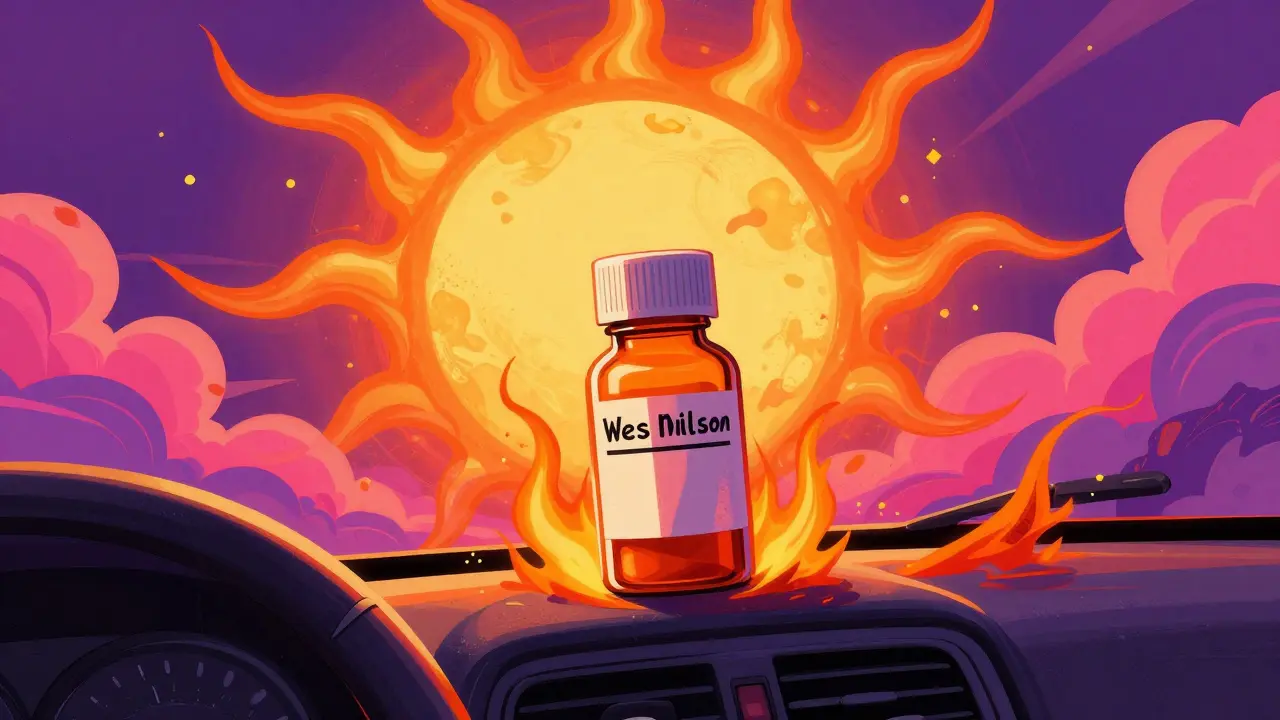
Imagine landing in a tropical paradise only to realize your life-saving medication has been sitting in a 100°F rental car for two hours. You might think the pills are still fine because the date on the bottle hasn't passed, but expired medications aren't the only danger. Many drugs degrade long before their official expiration date if they're exposed to heat, light, or humidity. In fact, some biologics can lose a quarter of their effectiveness in just 30 minutes if they leave their required temperature zone. This isn't just about wasting money; it's about ensuring your treatment actually works when you need it most.
| Medication Type | Ideal Temperature Range | Common Examples | Risk Level |
|---|---|---|---|
| Room Temperature | 68°F to 77°F (20°C to 25°C) | Acetaminophen, most tablets | Low/Medium |
| Cold Chain | 36°F to 46°F (2°C to 8°C) | Insulin, EpiPens, Biologics | High |
| Freezer Stable | -4°F to 5°F (-20°C to -15°C) | Specialty Pharmaceuticals | Very High |
Understanding the "Hidden" Expiration Date
Most of us only look at the date printed on the pharmacy bottle. But that date assumes the drug was stored perfectly. When you travel, environmental stressors act like an accelerant for chemical breakdown. For example, Aspirin is a salicylate medication used for pain and heart protection that can break down into vinegar and salicylic acid if exposed to moisture. This doesn't just make the pill less effective; it can actually irritate your stomach lining.
The real danger lies in "temperature excursions." This is a fancy way of saying your medicine got too hot or too cold. While a simple Tylenol tablet can handle 95°F for a few days and still work at 95% capacity, a dose of Humalog (a fast-acting insulin) can lose potency almost hourly if it stays at room temperature instead of being refrigerated. If you're relying on these meds for a chronic condition, a 20% drop in potency could mean your symptoms aren't managed, leading to a medical emergency in a foreign country.
Mastering the Cold Chain on the Go
If you're carrying "cold chain" medications-things that must stay chilled-you can't rely on a standard hotel mini-fridge, which can be wildly inconsistent. Instead, you need specialized gear. Medical-grade coolers are a game changer, often keeping contents stable for 48 to 72 hours, whereas a cheap insulated bag from a grocery store might give up after 12.
When it comes to cooling agents, go with gel packs over traditional ice. Why? Because ice can actually freeze your medication, which can destroy the molecular structure of proteins in biologics. Gel packs provide a more consistent temperature and are generally more accepted by TSA agents during screenings. If you're heading somewhere extremely hot, like Southeast Asia, consider a Frio cooler wallet. These use evaporative cooling to maintain a safe range without needing a power source or a freezer.
Protecting Meds from Light and Humidity
Heat isn't the only enemy. Light-sensitive medications, such as Epinephrine (the active ingredient in EpiPens), can degrade rapidly in the sun. Just 15 minutes of direct sunlight can slash the concentration of epinephrine by up to 18%. Always keep these in opaque containers or a dark bag.
Humidity is another silent killer. A common mistake travelers make is storing their meds in the hotel bathroom. The steam from the shower creates a high-moisture environment that can compromise the integrity of tablets and capsules. Keep your medications in a dry, cool area-like a bedside table or a dedicated travel case-far away from the bathroom sink.
The Pre-Trip Checklist for Medication Safety
Don't wait until the night before your flight to organize your pharmacy. Start your planning at least two to three weeks before departure. This gives you time to have a real conversation with your pharmacist about specific stability windows.
- Consult Your Pharmacist: Ask exactly how many hours your medication can stay at room temperature before it loses efficacy.
- Secure Original Packaging: Never move your meds into generic pill organizers for international travel. Customs agents in countries like Thailand have confiscated medications simply because they weren't in their original, labeled containers.
- Invest in Sensors: If you're carrying high-value biologics, use a digital temperature sensor. These devices can alert you the moment a cooler fails, allowing you to find a pharmacy or hotel fridge before the medicine is ruined.
- Set Reminders: Travel disrupts routines. Use phone alarms to ensure you don't miss doses, which is a frequent issue for families traveling with pediatric medications.
Navigating Airport Security and Customs
TSA and international customs are generally understanding about medication, but only if you make their job easy. Declare your medications at the checkpoint. Bring a printed copy of your prescriptions and any specific storage requirements. If you have a bulky medical cooler, let the agents know immediately.
For those on long-haul international flights, remember that the cargo hold can get freezing, while the cabin can get stuffy. Keep your medications in your carry-on. This ensures you have total control over the temperature and that your critical meds aren't lost if the airline misplaces your luggage.
Can I tell if my medication has gone bad from heat?
Not always. Some medications change color or develop a smell (like aspirin smelling like vinegar), but many simply lose potency. You won't know the drug is less effective until it fails to treat your symptoms. This is why using temperature-indicating labels or sensors is the only reliable way to be sure.
Is it safe to use a hotel mini-fridge for insulin?
It's risky. Many mini-fridges have "cold spots" that can accidentally freeze the medication, or they may not stay consistently within the 36°F to 46°F range. If you use one, place your medication in a protective plastic container inside the fridge to buffer against extreme temperature swings.
What should I do if my medication was left in a hot car?
Check the medication for physical changes (cloudiness, discoloration). More importantly, contact your pharmacist or doctor. Tell them the estimated temperature and how long the medication was exposed. They can tell you if the drug is likely still stable or if you need an emergency replacement.
Are gel packs better than ice packs for planes?
Yes. Gel packs are more consistent at maintaining the required 36°F to 46°F range without the risk of freezing the medication, which often happens with direct contact with ice. They are also generally more acceptable to security personnel.
Why must I keep meds in original containers?
Beyond organization, it's a legal requirement for international travel. Customs officials need to verify the prescription and the identity of the drug to ensure you aren't transporting illegal substances. Lack of original labeling can lead to confiscation or legal trouble.
What to do if things go wrong
If you suspect your meds have been compromised, don't guess. If you're in a foreign country, look for a reputable pharmacy chain. While they might not be able to dispense your specific prescription, they can often help you contact your home doctor or guide you to a local clinic that can provide a temporary replacement.
If you're dealing with a potential failure of a critical drug (like an EpiPen or heart medication), treat it as a medical urgency. It's better to spend a few hours at a local clinic getting a fresh dose than to find out your medication doesn't work during a crisis.
Releted Post

Andy Dargon
Hi, I'm Aiden Lockhart, a pharmaceutical expert with a passion for writing about medications and diseases. With years of experience in the pharmaceutical industry, I enjoy sharing my knowledge with others to help them make informed decisions about their health. I love researching new developments in medication and staying up-to-date with the latest advancements in disease treatment. As a writer, I strive to provide accurate, comprehensive information to my readers and contribute to raising awareness about various health conditions.
This is such a helpful breakdown for anyone planning a big trip. It's great to see the specific temperature ranges listed out so clearly because most people just wing it and hope for the best.