
Drug Withdrawal: Symptoms, Risks, and How to Manage It Safely
When someone stops taking a drug they’ve been using regularly, their body reacts. This reaction is called drug withdrawal, the physical and psychological response that occurs after stopping or reducing use of a substance the body has become dependent on. It’s not just feeling off—it’s your nervous system scrambling to adjust after being altered by the drug for weeks, months, or years. This isn’t the same as side effects or a bad reaction. Withdrawal happens because your brain and body have changed to accommodate the drug. Once it’s gone, they have to relearn how to function without it.
Some drugs cause mild withdrawal—like feeling tired or irritable after quitting caffeine. Others can be life-threatening. alcohol, a central nervous system depressant can trigger seizures or delirium tremens if stopped cold. opioids, including prescription painkillers and heroin cause intense flu-like symptoms, but rarely kill on their own. benzodiazepines, like Xanax or Valium, are especially dangerous to quit abruptly—they can cause seizures or heart rhythm problems. These aren’t myths. They’re documented medical facts seen in emergency rooms and detox centers every day.
What you feel during withdrawal depends on the drug, how long you used it, your health, and whether you quit suddenly or slowly. Some people get anxiety, insomnia, or nausea. Others have muscle cramps, sweating, or hallucinations. The timeline varies too—some symptoms start within hours, others take days. That’s why trying to quit alone is risky. Medical supervision doesn’t mean you’re weak—it means you’re smart. Doctors can use medications to ease symptoms, monitor vital signs, and prevent complications. Even if you’re not addicted to a street drug, stopping something like antidepressants or blood pressure meds without guidance can cause serious issues. That’s why drug withdrawal isn’t just about addiction—it’s about safe medication management.
Many of the posts here cover related risks and treatments. You’ll find guides on how lithium reacts with dehydration, why St. John’s Wort can mess with antidepressants, and how statins affect muscle recovery. These aren’t random topics—they’re all connected to how your body handles substances, changes, and sudden shifts in chemistry. Whether you’re trying to stop a prescription, manage a dependency, or help someone else, the information here is practical, real, and focused on what actually works. You’ll learn what to watch for, when to call for help, and how to avoid common mistakes that put people in the ER.
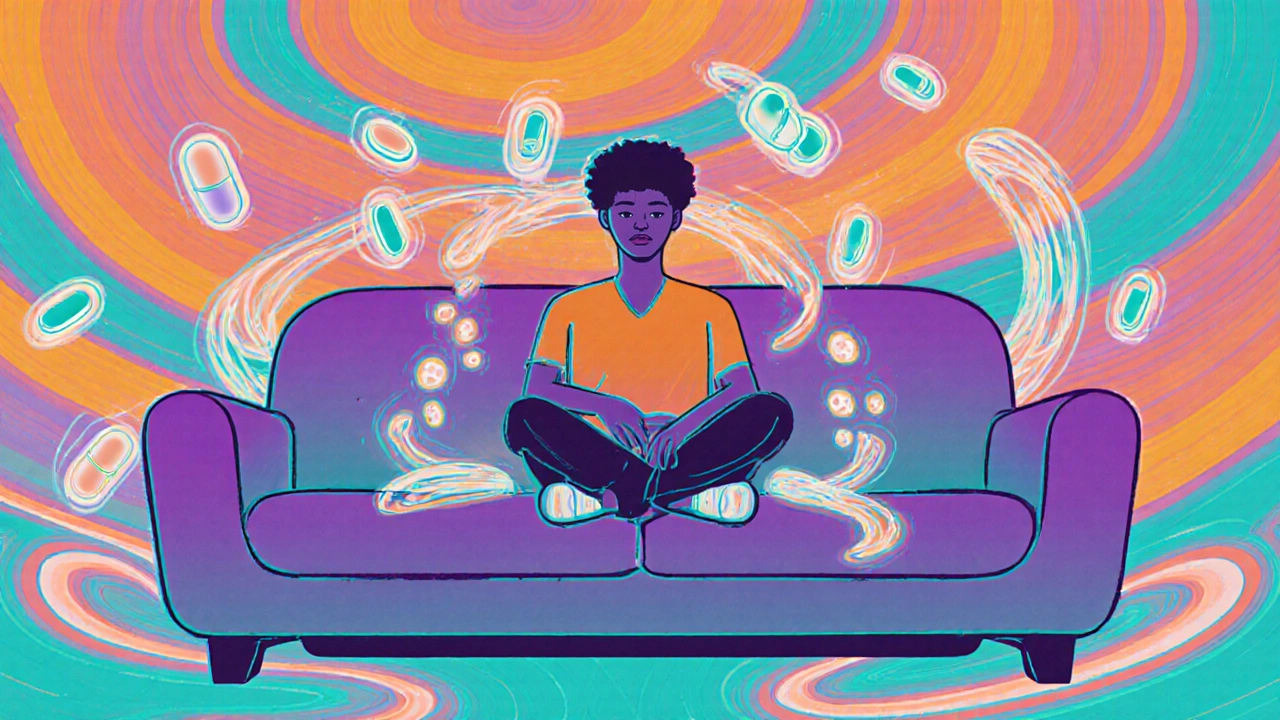
Drug holidays are planned breaks from medication to reduce side effects like sexual dysfunction or growth delay. They can be safe for some drugs under medical supervision but dangerous if done alone. Learn which medications allow breaks, how to do them safely, and when to avoid them.