
ANDA Litigation: What It Means for Generic Drug Prices and Access
When you buy a generic version of a brand-name drug, you’re often benefiting from something called an ANDA, Abbreviated New Drug Application, a streamlined FDA pathway for generic drug approval. Also known as generic drug application, it’s the legal route manufacturers use to bring cheaper versions of drugs to market without repeating costly clinical trials. But getting that approval isn’t always smooth. ANDA litigation, legal challenges by brand-name drug companies to block generic entry is where things get messy. These lawsuits delay generics, keep prices high, and sometimes lock patients into paying more than they should.
Brand-name companies often file these lawsuits over patents, exclusive rights to sell a drug for a set period, claiming the generic version infringes on their intellectual property. But many of these patents are weak—covering minor changes like pill color or dosing schedule—yet still used to drag out court cases for years. The FDA, the U.S. agency that approves all prescription drugs doesn’t stop these lawsuits. It just waits. While the courts decide, the generic stays off shelves, even if it’s safe and identical to the brand drug.
This isn’t just legal jargon—it hits your wallet. When generics are blocked, you pay full price for drugs like Lipitor, Singulair, or Nexium. Once litigation ends and generics arrive, prices often drop by 80% or more. That’s why ANDA litigation is one of the biggest hidden factors in drug pricing. Some cases are settled quickly with deals called "pay-for-delay," where the brand company pays the generic maker to stay out of the market. Others go all the way to the Supreme Court. The result? Millions of people wait longer than they should for affordable meds.
The posts below show how this legal maze connects to real-world health issues. You’ll find stories about how patent fights delay life-saving drugs, how patients cope with price spikes, and how FDA rules try—but often fail—to keep the system fair. From epilepsy meds to blood pressure drugs, the same pattern repeats: patents, lawsuits, delays, and higher costs. These aren’t abstract legal battles. They’re about whether you can afford to take your medicine tomorrow.
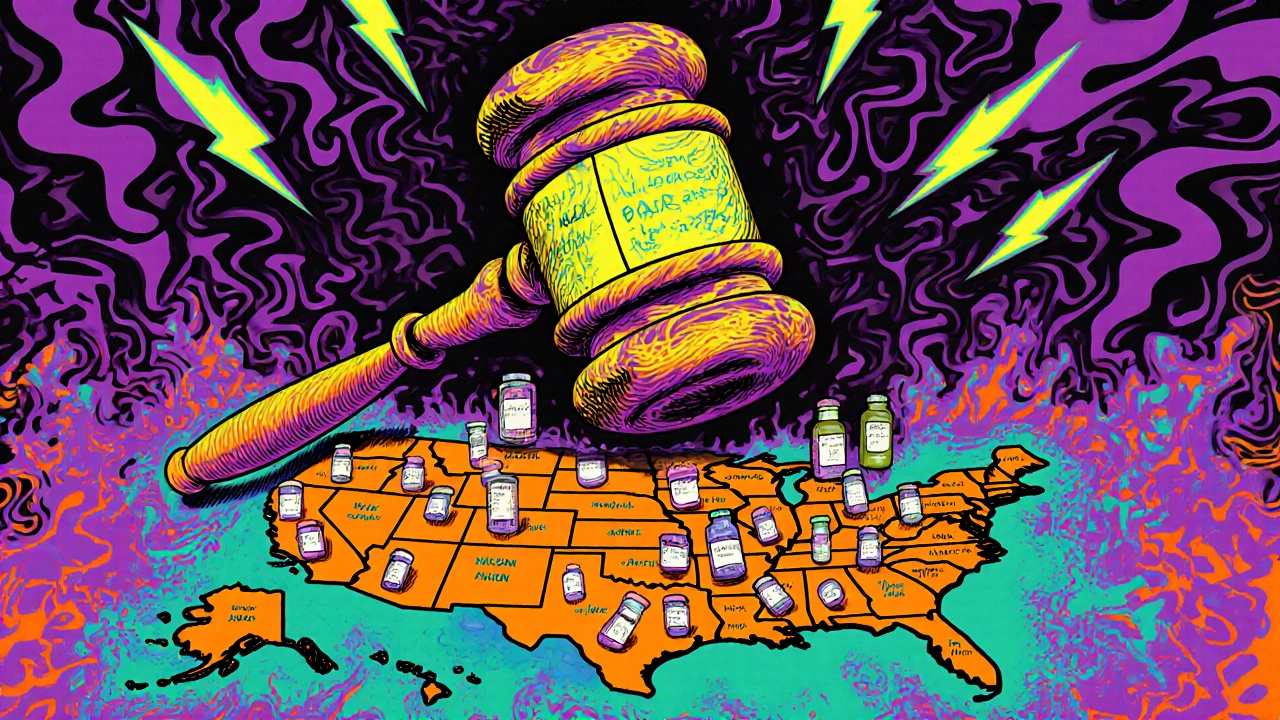
The Federal Circuit Court holds exclusive authority over U.S. pharmaceutical patent cases, shaping drug availability, pricing, and innovation. Its rulings on ANDA litigation, dosing patents, and Orange Book listings directly impact generic drug entry and patient access.