
Exercise with Statins: What You Need to Know
When you're taking statins, cholesterol-lowering drugs prescribed to reduce heart disease risk. Also known as HMG-CoA reductase inhibitors, they help lower LDL and prevent plaque buildup in arteries. Many people worry about whether they should still work out. The short answer? Yes—unless you're feeling something unusual. Regular exercise with statins isn't just safe, it’s often recommended. But there’s a catch: some people get muscle pain or weakness, and it’s not always clear if it’s from the drug, the workout, or both.
Statins work by blocking a liver enzyme that makes cholesterol, but they can also affect muscle cells. That’s why muscle pain, a common complaint among statin users shows up after walking, lifting, or even just climbing stairs. It’s not normal to feel sore all the time, though. If your legs feel heavy, your arms ache for days, or you’re too tired to get off the couch, talk to your doctor. A simple blood test for CK (creatine kinase) can tell if your muscles are breaking down. And if you’re taking cholesterol medication, a class of drugs that includes atorvastatin, rosuvastatin, and simvastatin, your dose might need adjusting—not stopping.
Here’s the thing: skipping exercise because you’re on statins is like giving up on heart health because you have high blood pressure. Physical activity helps statins do their job better. Walking 30 minutes a day lowers triglycerides, improves HDL, and reduces inflammation—all things statins alone can’t fully fix. You don’t need to run marathons. Just move consistently. Try cycling, swimming, or even gardening. Avoid sudden, intense workouts if you’re new to exercise. And if you’ve had muscle issues before, start slow and track how you feel after each session.
Some people blame statins for every ache, but often it’s just aging, dehydration, or poor recovery. Drink water. Sleep well. Eat enough protein. These habits matter more than you think. And if you’re unsure, ask your doctor about switching to a different statin—some are gentler on muscles than others. Rosuvastatin, for example, tends to cause fewer side effects than simvastatin at higher doses.
The real goal? Stay active, stay healthy, and don’t let fear stop you. Millions of people take statins and live active lives. You can too. Below, you’ll find real stories and facts from people who’ve walked through this exact situation—what worked, what didn’t, and what to watch out for.
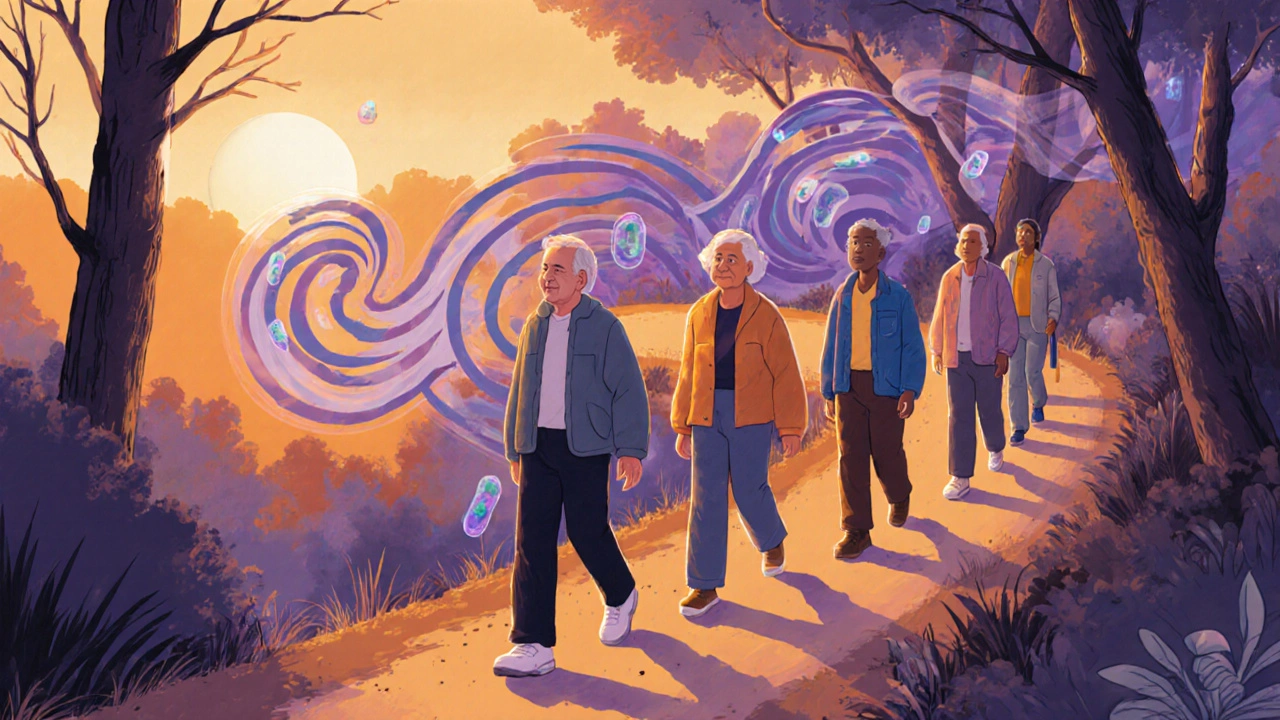
Statins help prevent heart disease, but muscle pain can make exercise feel risky. Learn the truth about exercise and statins, which types are safest, how to keep moving without harm, and what actually works to manage pain.