
High-Alert Medications: What They Are and Why They Require Extra Care
When you take a medicine, you expect it to help—not hurt. But some drugs are so powerful, even a small mistake can lead to serious injury or death. These are called high-alert medications, medications with a high risk of causing significant harm when used incorrectly. They’re not necessarily rare or new—they’re common drugs like insulin, warfarin, and opioids—that become dangerous because of how easily they’re misused. You might not realize you’re taking one, but if you’re on a blood thinner, a strong painkiller, or a drug for heart rhythm, you could be.
What makes a drug high-alert isn’t just its strength—it’s how easily things go wrong. A wrong dose, a bad interaction, or even a misread label can turn a lifesaver into a life-threatening mistake. That’s why hospitals and pharmacies treat them differently: extra checks, special labels, and strict rules. But you’re not just a patient—you’re part of the safety system too. For example, warfarin, a blood thinner that requires careful dosing and regular monitoring, can be ruined by something as simple as St. John’s Wort, which you might think is harmless because it’s "natural." That’s why medication interactions, when one drug changes how another works in your body matter so much. Same with liver health, how well your liver processes drugs like midodrine or statins. If your liver isn’t working right, even the right dose can become too much.
You’ll find posts here that dig into real examples—like how statins can cause muscle pain when mixed with exercise, or why lidocaine and choline salicylate gels need careful use to avoid overdose. These aren’t theoretical risks. People have lost limbs from insulin errors. Others have had strokes because their blood thinner dose was off. The goal isn’t to scare you—it’s to make you aware. If you’re on one of these drugs, you deserve to know exactly what you’re taking, what to watch for, and how to ask the right questions. Below, you’ll find clear, no-fluff guides on the most dangerous medications, how they interact, and how to protect yourself every step of the way.
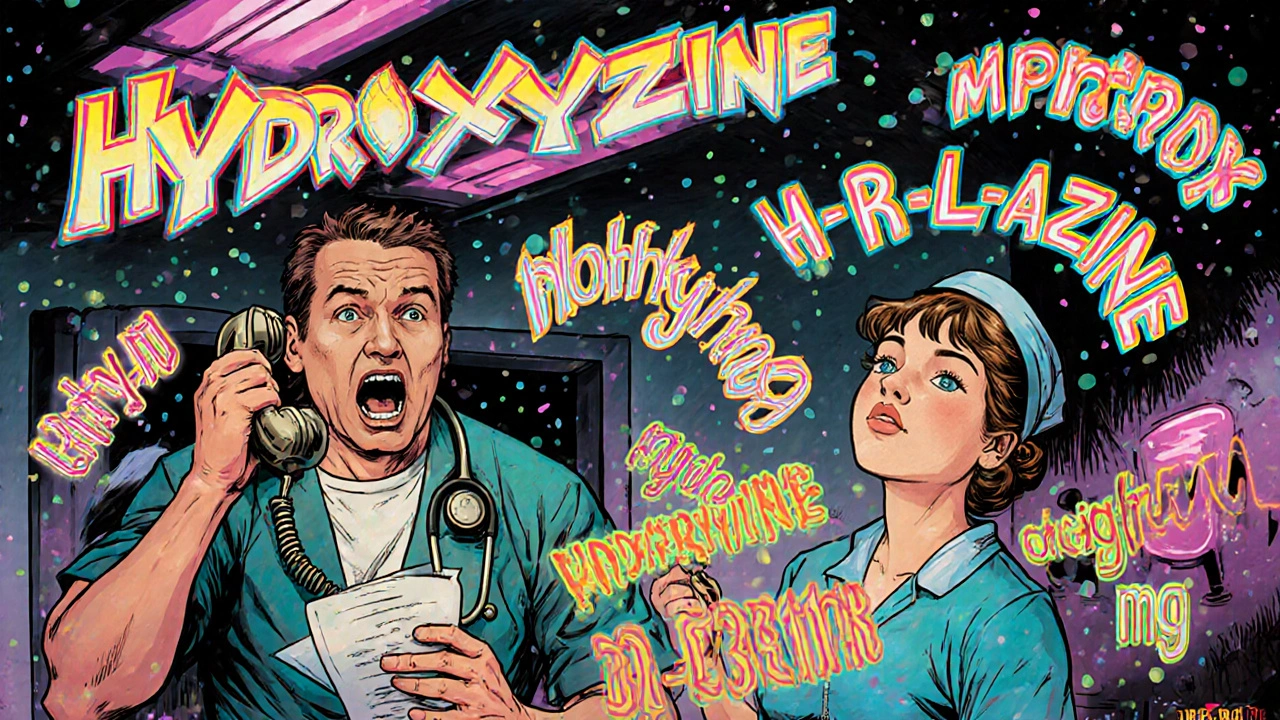
Verbal prescriptions are still used in healthcare for emergencies and urgent care. Learn the best practices for clarity and safety-including read-back verification, phonetic spelling, and avoiding high-alert medication errors-to prevent dangerous mistakes.