

Medication Flush & Safety Checker
Enter a medication name below to check if it is associated with facial flushing reactions.
Quick Select Common Triggers
You are sitting in a routine board meeting, feeling calm and prepared, when suddenly your neck starts heating up. Within seconds, your cheeks turn bright red, drawing uncomfortable attention from colleagues. It isn't anxiety this time; you know exactly what triggered it. You took your morning heart medication thirty minutes ago. This phenomenon is known as medication-induced facial flushing, a common yet distressing reaction characterized by sudden redness and warmth across the face, neck, and chest.
This reaction affects millions of people taking everyday prescriptions, from cholesterol management to pain control. While often harmless medically, the social embarrassment can lead patients to skip doses or stop treatment entirely. Understanding why this happens and how to manage it empowers you to handle the situation without compromising your health regimen.
The Biology Behind the Redness
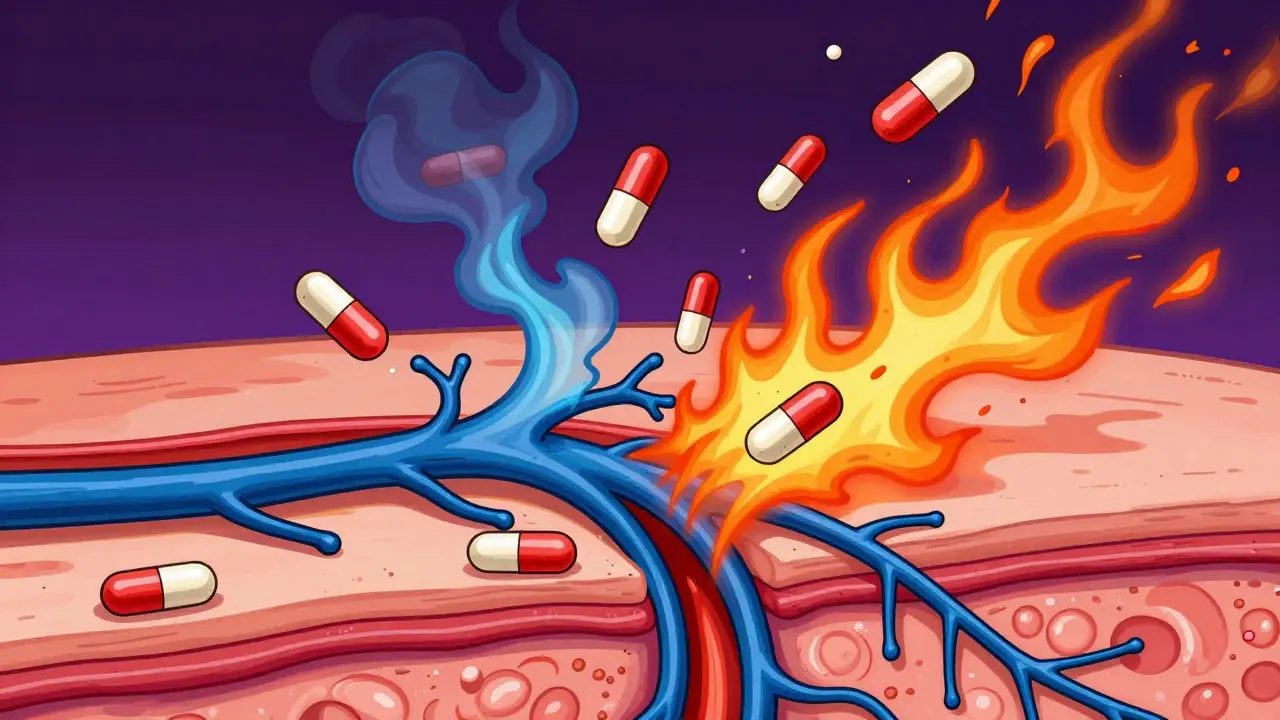
To manage flushing effectively, you need to understand the mechanism driving it. The body maintains blood flow through a complex system of expanding and contracting blood vessels. When certain medications interact with your vascular system, they force these vessels to widen-a process called vasodilation. As blood vessels dilate near the skin's surface, more blood rushes to the area, creating that distinct red appearance and sensation of heat.
Not all flushing is created equal. Some drugs trigger "dry flushing," affecting only the blood vessels. Others cause a combined reaction involving the nervous system, resulting in sweat and hives alongside the redness. The intensity often depends on your individual biology, including genetic variations in how your liver metabolizes chemicals, which dictates how long the drug stays active in your system before breaking down.
Identifying the Culprit Medications
Thousands of compounds exist, but a few specific classes account for the majority of reported cases. Recognizing whether your current prescription falls into these high-risk categories is the first step toward prevention.
| Drug Class | Common Examples | Primary Mechanism |
|---|---|---|
| Treatments for High Cholesterol | Niacin (Vitamin B3) | Prostaglandin release |
| Blood Pressure Control | Calcium Channel Blockers, Nitroglycerin | Direct Vasodilation |
| Pain Management | Morphine, Codeine | Histamine Release |
| Infection Treatment | Vancomycin | Infusion rate dependent |
Niacin and Lipid Management: Perhaps the most notorious offender is Nicotinic Acid, commonly known as niacin. Doctors prescribe it frequently for managing triglycerides and cholesterol levels. The flush associated with niacin occurs in up to 90% of patients initially starting the therapy. Interestingly, research indicates that taking aspirin thirty minutes before the dose can reduce this reaction, though usually by only about 30 percent, suggesting the biological pathway is complex.
Heart Health Medications: If you manage hypertension or angina, you might be taking Calcium Channel Blockers like Amlodipine or Diltiazem. These drugs work by relaxing smooth muscle cells in your arteries. Because the blood vessels in the face have less muscle mass than those deeper in the body, they react more visibly to this relaxation signal. Similarly, nitrates like Nitroglycerin, often prescribed for chest pain, act rapidly to open vessels, causing immediate blanching followed by a deep red flush.
Opioid Analgesics: Painkillers like morphine are potent anti-inflammatory agents, but they trigger mast cells to release histamine. This histamine surge acts similarly to an allergic reaction, leading to itching and warmth. Unlike true allergies, this is a pharmacological side effect rather than an immune system overreaction, meaning antihistamines can sometimes mitigate symptoms without needing to switch pain management protocols.
Antibiotics and Chemotherapy: Vancomycin, a powerful IV antibiotic for serious infections, causes a condition doctors call "Red Man Syndrome." This is directly linked to how fast the infusion is pumped into the vein. Slowing the administration speed often prevents the rash entirely. Cancer treatments, particularly hormone therapies like Tamoxifen or Gonadotropin-releasing hormone agonists, alter hormonal balances significantly, leading to frequent hot flashes and flushing episodes similar to menopausal symptoms.
Practical Strategies for Relief
Living with a red face doesn't mean you have to live with shame or discomfort. There are tangible steps you can take to manage the intensity and duration of the episode.
The simplest non-invasive intervention involves timing. For drugs like niacin, spreading out the dose throughout the day instead of taking a large bolus reduces the peak concentration in your blood, thereby dampening the vascular response. Many patients find success combining this approach with a low-dose aspirin taken shortly before their medication, specifically targeting the prostaglandins responsible for inflammation and vessel dilation.
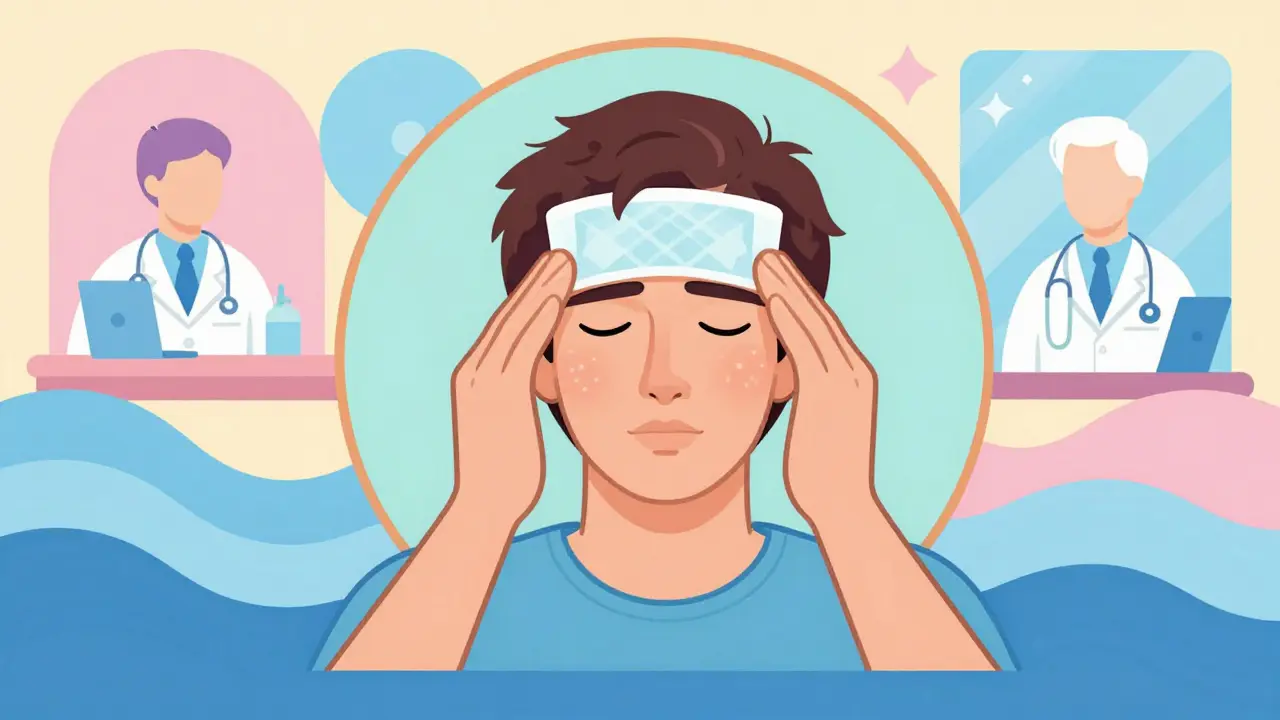
Cooling techniques are also effective for immediate symptom control. Applying cool compresses to the neck and face helps constrict the superficial blood vessels slightly, reducing visible redness. Avoid alcohol and spicy foods during treatment periods, as both act as independent vasodilators and can amplify the medication's effect, compounding the flushing.
Pharmacological Adjuncts: In severe cases where lifestyle adjustments aren't enough, physicians may introduce adjunctive medications. Beta-blockers are often prescribed off-label to treat anxiety-related blushing, stabilizing heart rate and vascular tone. Clonidine offers another avenue, adjusting how the autonomic nervous system responds to stress signals. These medications do not treat the underlying condition requiring your primary drug but help manage the side effect profile so you can remain on the therapeutic course.
Advanced Procedural Options: For chronic, disabling flushing that does not respond to medication changes, dermatologists offer longer-term solutions. Botulinum toxin injections work by paralyzing the tiny nerves that signal blood vessels to expand. Effects last roughly six months, providing a window of relief without daily dosing. Vascular lasers target and seal the dilated capillaries permanently, though this requires professional assessment to avoid skin damage.
When to Consult Your Physician
While facial flushing is usually benign, some scenarios demand immediate medical attention. If the redness is accompanied by swelling of the lips or tongue, wheezing, or difficulty breathing, this signals anaphylaxis or a severe allergic reaction rather than a standard flush. Additionally, if the flushing persists for hours after the medication has worn off, or occurs independently of dosing times, it could indicate hormonal imbalances or other systemic issues like carcinoid syndrome that require different diagnostic testing.
Never stop your prescribed medication abruptly to avoid flushing. Suddenly stopping blood pressure or seizure medication can be dangerous. Instead, schedule a consultation to discuss alternative formulations. Switching from immediate-release to extended-release versions often reduces the spike in blood levels that triggers the reaction. Your doctor can help weigh the benefits of the drug against the quality-of-life impact of the side effect.
Frequently Asked Questions
Is facial flushing from medication dangerous?
For most patients, facial flushing is harmless and purely cosmetic. It is rarely a sign of danger unless accompanied by difficulty breathing, swelling, or severe drop in blood pressure.
Can aspirin stop the flush caused by niacin?
Yes, taking aspirin 30 to 60 minutes before niacin can reduce the severity of the flush. It blocks prostaglandin production, but typically reduces symptoms by only about 30 percent rather than eliminating them completely.
How long does medication-induced flushing last?
Duration varies by drug. Niacin flushes typically last 15 to 30 minutes. Opioid-induced flushing is immediate and lasts while the drug is active. Chronic issues from hormones may last days or weeks depending on the cycle.
Are there foods that worsen medication flushing?
Yes. Hot beverages, spicy foods containing capsaicin, MSG-laden dishes, and alcohol can all dilate blood vessels and intensify the flushing reaction when combined with triggering medications.
Can laser treatment permanently fix facial flushing?
Laser therapy can remove the damaged capillaries causing visible redness. While it treats the existing vessels, it does not stop the drug from widening new ones later, so behavioral or medical management is still needed.
Releted Post


Andy Dargon
Hi, I'm Aiden Lockhart, a pharmaceutical expert with a passion for writing about medications and diseases. With years of experience in the pharmaceutical industry, I enjoy sharing my knowledge with others to help them make informed decisions about their health. I love researching new developments in medication and staying up-to-date with the latest advancements in disease treatment. As a writer, I strive to provide accurate, comprehensive information to my readers and contribute to raising awareness about various health conditions.
The prostaglandin pathway is clearly manipulated by pharmaceutical entities to maintain dependency cycles rather than cure underlying dysregulation. When niacin floods the system it triggers a massive release of PGD2 which explains the vascular dilation seen clinically. Most patients do not realize that the liver enzyme CYP450 plays a central role in metabolizing these compounds incorrectly. Your body screams vasodilation because the signaling molecules are hijacked by synthetic derivatives found in standard prescriptions. Doctors rarely mention the genetic polymorphisms affecting how you break down these specific inhibitors. They want you to stay on the extended-release formulation so you cannot escape the dosing schedule easily enough. It is designed to keep the flush coming so you return for symptom management visits constantly. Avoiding food interactions like capsaicin is trivial compared to the systemic toxicity introduced. Blood vessel compliance changes permanently after repeated exposure to calcium channel blockers unfortunately. Histamine release from opioids indicates mast cell degranulation without actual immunoglobulin involvement. The distinction matters for insurance claims regarding allergic reactions versus pharmacological side effects. Red man syndrome during vancomycin infusion proves that speed dictates severity of vascular permeability issues significantly. Slowing the drip rate does not fix the chemical binding affinity issue inherent to the molecule itself. Laser treatments merely destroy visible capillaries while ignoring the root metabolic failure driving the pressure. Botulinum toxin blocks the acetylcholine receptors temporarily but leaves the blood pressure regulation intact for further damage. We must question why the industry tolerates such obvious cosmetic disfigurement as a primary side effect.
The sheer audacity of your face lighting up like a Christmas tree in the middle of a board meeting is truly spectacular embarrassment fuel. People think you are having a stroke instead of realizing you are just overdosing on cholesterol medication hilariously. I hate how you have to manage your biology like a broken machine requiring constant patch notes and upgrades to survive the day. Your dignity melts into nothing when the redness creeps past your ears and onto your neck visibly. Social death becomes the penalty for trying to lower your LDL levels with these harsh chemicals frankly.
So basically we are red potatoes because pills said so 😂👉
You MUST try taking baby aspirin thirty minutes before the dose!!! It really helps block the prostaglandins completely!!! Cooling the skin with ice packs works wonders too!!! Do not skip doses just because of the color change!!!! Consult your doctor about slow release versions immediately!!!! Stay hydrated and avoid spicy foods during intake!!!!!
ya know its crazy how our bodies react to foreign stuff like this right.. like the face just goes boom for no reason. i think we get too hung up on looking perfect all the time anyway. maybe the flush is just a sign ur alive and fighting hard inside. dont let the mirror scare u away from feeling okay overall. healing takes patience and self love mostly.
While your conjecture regarding pharmaceutical malice is unfounded, the physiological description remains largely accurate despite the tone. You seem to conflate corporate incentives with biological inevitabilities without providing empirical evidence for your claims. The mechanism of prostaglandin release is indeed the primary driver of niacin induced flushing. However suggesting a conspiracy distracts patients from adhering to necessary lipid management protocols effectively. Your alarmism may cause unnecessary abandonment of treatment by vulnerable individuals reading this thread. Stick to the clinical facts rather than inventing shadowy agendas behind standard pharmacokinetics please.
You CAN conquer the crimson blush with the right tools and mindset absolutely! Believe in your power to manage this condition successfully today! Your health journey is valid and you deserve to feel comfortable always! Never let a side effect define your worth or capability in life! Keep fighting back against the red wave bravely!
I am here cheering you on every step of the way!
Of course the common people suffer through this indignity because they cannot afford proper dermal interventions from the start. Using simple aspirin like the rest of the herd suggests a complete lack of sophistication regarding vascular aesthetics. High end laser therapy removes the capillaries properly rather than masking symptoms with cheap over counter drugs. The poor simply cannot access botulinum toxin injections that actually solve the nerve signaling problem entirely. One would expect basic competence in healthcare navigation to handle these trivialities effortlessly.
i tottaly relate to the christams tree thing bc last week at work everyone stopped lauding at me when my neck turned bright scarlet!!! it was humilating beyond measure and i wanted to hide under a desk forever. the way my skin feels hot and stings is just horrific honestly. im scared to take my bp meds now what is wrong with this med world. yu need to be careful cos nobody else cares about your pain.
Don't worry man things will turn around for you soon just keep showing up to appointments and asking questions regularly. You aren't alone in this struggle and many folks find ways to make it manageable eventually. The redness fades with time and adjustments to the dosage help quite a lot. Stay strong and focus on the heart health benefits you are gaining daily. Positive thinking helps reduce stress which impacts blood flow too.
Autonomic nervous system regulation is key when dealing with vasomotor instability from drug interactions. We see sympathetic dominance triggering the flush response independent of thermal regulation centers often. Biofeedback training could complement pharmacological intervention strategies for better control outcomes long term. Monitoring heart rate variability helps identify triggers before the visual onset occurs visibly. Integrative medicine approaches support conventional therapies by addressing systemic inflammation markers effectively. We need to optimize endothelial function to mitigate the severity of the flushing episodes. Consider lifestyle modifications alongside medical management for maximum efficacy.
YES!!!! YOU ARE SO RIGHT ABOUT THE ASPIRIN TIP!!!!! I tried it yesterday morning and the flush was gone almost instantly!!!!! Thank you for sharing this gem with us everyone!!!!! Please doctors need to tell patients this information earlier!!!!! Don't hesitate to bring this up next appointment!!!!! We want the best health outcomes for everyone!!!!! 💖💖💖
It is interesting how individual biology varies so much regarding sensitivity to these agents. Some people tolerate high doses while others react strongly to tiny amounts. The information presented offers a solid foundation for understanding the reaction. Knowing the mechanism empowers patients to communicate better with providers. A balanced approach to side effect management is essential for long term adherence.
Fair point Kameron! We should focus on facts :) But sometimes the system feels shady too :( Thanks for the science breakdown :)