

When your immune system turns against your own body, inflammation doesn’t just cause pain-it can destroy joints, damage organs, and shut down systems. That’s where corticosteroids come in. These aren’t the muscle-building steroids you hear about in sports scandals. They’re powerful anti-inflammatory drugs that mimic your body’s natural stress hormone, cortisol. For people with autoimmune diseases like lupus, rheumatoid arthritis, or vasculitis, corticosteroids can be a lifeline. But they’re not a forever solution. The real question isn’t just whether they work-it’s how long you can safely use them.
How Corticosteroids Stop Autoimmune Flares
Corticosteroids like prednisone and methylprednisolone don’t just mask symptoms. They hit the root of the problem: inflammation. When your immune system attacks your tissues, it releases a storm of chemicals-cytokines, enzymes, and immune cells that swell and damage your body. Corticosteroids calm this storm by slipping into cells and shutting down the genes that produce these inflammatory signals. They block proteins like TNF-alpha and interleukins, and they stop phospholipase A2, the enzyme that kickstarts the whole inflammatory cascade. This isn’t slow-acting. Within hours, swelling drops, joint pain eases, and breathing improves. That’s why doctors reach for them first when a flare hits.
Compare that to drugs like methotrexate or azathioprine, which can take weeks to show any effect. Corticosteroids work fast. In emergency cases like rapidly progressive glomerulonephritis or severe vasculitis, doctors give high-dose IV pulses of methylprednisolone to stop organ damage before it’s too late. For many patients, this quick action is the difference between permanent damage and recovery.
Where Corticosteroids Work Best
They’re not magic bullets for every autoimmune disease. They’re incredibly effective for conditions where inflammation is the main driver. For example:
- Rheumatoid arthritis: Reduces joint swelling and slows cartilage damage.
- Systemic lupus erythematosus (SLE): Controls kidney inflammation (lupus nephritis) and skin rashes.
- Inflammatory bowel disease: Helps bring flare-ups of Crohn’s or ulcerative colitis under control.
- Asthma and allergic reactions: Prevents airway swelling and reduces mucus production.
- Autoimmune hemolytic anemia: Combined with rituximab, it significantly lowers relapse rates.
But there are key exceptions. Corticosteroids don’t reverse damage in advanced type 1 diabetes, Hashimoto’s thyroiditis, Graves’ disease, or late-stage primary biliary cholangitis. Why? Because in these cases, the immune system has already wiped out the cells that produce insulin or bile. No amount of inflammation control can bring them back. However, in early stages-like new-onset type 1 diabetes where some insulin-producing cells remain-corticosteroids can help preserve what’s left.
The Hidden Cost: Long-Term Side Effects
Fast relief comes with a price tag. The longer you take corticosteroids, the more your body pays. After just three months of daily use, side effects start piling up.
- Bone loss: Corticosteroids reduce calcium absorption and increase bone breakdown. One study found that 30-50% of long-term users develop osteoporosis. Hip and spine fractures become a real risk.
- Cataracts and glaucoma: Eye pressure rises, and the lens clouds over. About 20% of patients on high doses for over a year develop cataracts.
- Weight gain and fat redistribution: Fat builds up around the face (moon face), belly, and upper back. Muscle mass drops, making you feel weak.
- High blood sugar: Even people without diabetes can develop steroid-induced diabetes. Blood sugar spikes because corticosteroids block insulin’s action.
- Immune suppression: You’re more likely to catch infections-pneumonia, urinary tract infections, even fungal skin infections.
- Adrenal insufficiency: Your body stops making its own cortisol. If you suddenly stop taking the drug, you can go into crisis-low blood pressure, vomiting, fainting. This is why tapering is non-negotiable.
Even low doses matter. If you take less than 10 mg of prednisone daily for under three weeks, your adrenal glands usually bounce back. But if you’ve gained weight, have a round face, or feel exhausted when you skip a dose, your HPA axis is suppressed. Doctors check this with a morning cortisol test after skipping a dose for 24 hours.
How Doctors Minimize the Damage
No one wants to stay on corticosteroids longer than needed. That’s why treatment has shifted from “take it until you feel better” to “use the lowest dose possible for the shortest time.”
Here’s how it’s done:
- Start high, taper fast: A patient with a severe lupus flare might start on 60 mg of prednisone, then drop by 5 mg every week until reaching 10 mg. Then, the drop slows to 1 mg per month.
- Combine with other drugs: Doctors pair corticosteroids with methotrexate, azathioprine, or mycophenolate. These let them reduce the steroid dose by half or more while keeping the disease under control.
- Use local delivery: For asthma, inhaled steroids avoid the bloodstream. For eczema, topical creams limit systemic exposure. This cuts side effects dramatically.
- Targeted biologics: Drugs like rituximab (which wipes out overactive B cells) or abatacept (which blocks T-cell signals) are now first-line for some conditions. They work slower but last longer and don’t wreck your bones.
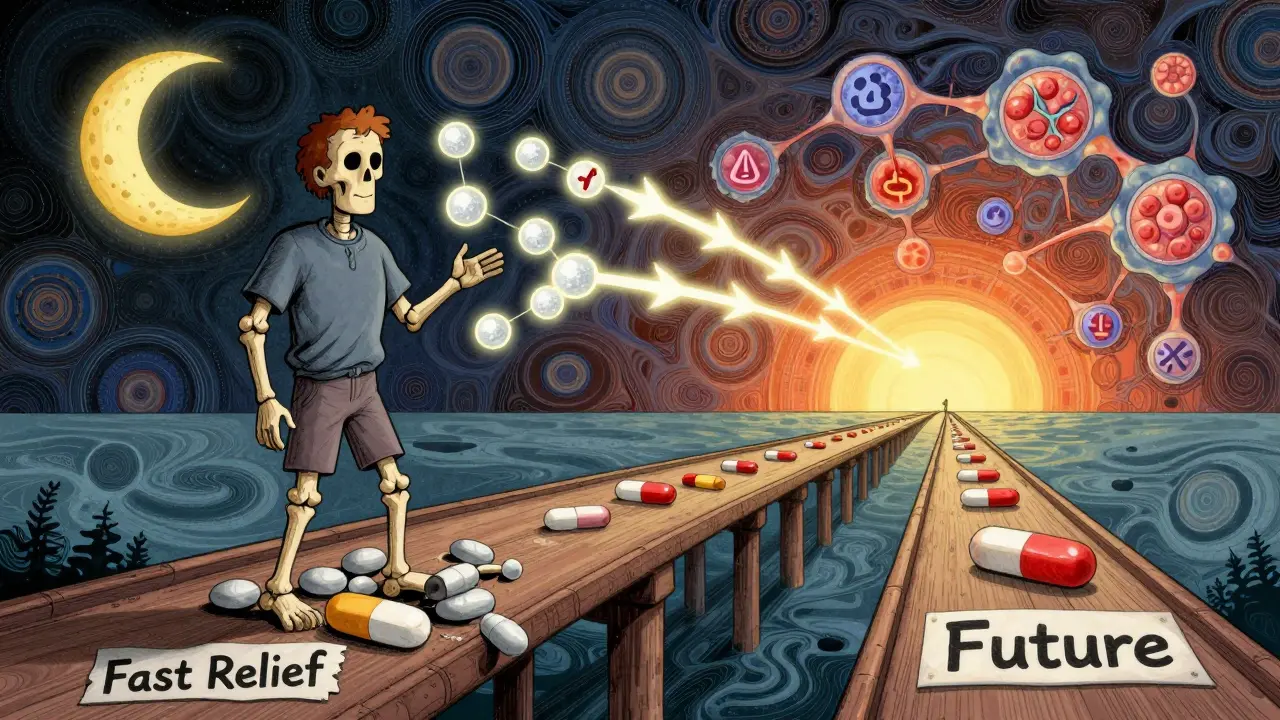
One study showed that patients with autoimmune hemolytic anemia who got rituximab plus prednisone had 70% fewer relapses than those on prednisone alone. That’s the future: using steroids to get you through the crisis, then switching to something safer.
What Patients Should Know
If you’re on corticosteroids, here’s what you need to do:
- Take calcium and vitamin D: 1,200 mg of calcium and 1,000 IU of vitamin D daily helps protect your bones.
- Get a bone density scan: Especially if you’ve been on steroids for over six months.
- Watch your blood sugar: Even if you’ve never had diabetes, check your levels every few months.
- Never stop cold: Always taper under medical supervision. Skipping doses can trigger adrenal crisis.
- Use sunscreen: Skin becomes more sensitive. You can get sunburned faster-or develop dark patches.
- Report mood changes: Anxiety, insomnia, or depression are common. They’re not “all in your head”-they’re chemical side effects.
And remember: the goal isn’t to feel good today. It’s to feel good for years to come. That means accepting that steroids are a bridge-not a home.

The New Normal: Steroids as a Stepping Stone
Twenty years ago, corticosteroids were the endgame. Today, they’re the starting point. The best outcomes come from using them to gain control, then replacing them with targeted therapies that don’t come with a lifetime of side effects.
Research into GILZ-a protein that mediates corticosteroid’s anti-inflammatory effects-is opening doors to new drugs that mimic those benefits without the toxicity. While those are still experimental, the trend is clear: we’re moving away from blanket immune suppression toward precision medicine.
For now, corticosteroids remain the most potent tool we have to stop autoimmune flares in their tracks. But their power comes with responsibility. Use them wisely, monitor closely, and always have a plan to get off them. Your future self will thank you.
Can corticosteroids cure autoimmune diseases?
No. Corticosteroids suppress inflammation and control symptoms, but they don’t fix the underlying immune malfunction. Autoimmune diseases like lupus or rheumatoid arthritis are chronic conditions with no known cure. Steroids help you manage them, but stopping them without another treatment usually leads to a flare.
How long can you safely take prednisone?
There’s no fixed limit, but the goal is always to use the lowest dose for the shortest time. Most doctors aim to taper off within 3 to 6 months. If you need longer, they’ll add other drugs to reduce the steroid dose. Taking prednisone for over a year significantly increases the risk of bone loss, cataracts, and diabetes.
Why do corticosteroids cause weight gain?
Corticosteroids increase appetite and change how your body stores fat. They also cause your body to hold onto sodium and water, leading to bloating. Over time, fat redistributes to your face, belly, and upper back-even if you’re not eating more. This isn’t just laziness; it’s a direct biological effect of the drug.
Are there alternatives to corticosteroids for autoimmune diseases?
Yes. Newer biologics like rituximab, abatacept, and tocilizumab target specific parts of the immune system without suppressing everything. They’re slower to work but safer for long-term use. For many patients, these are now first-line treatments, especially for rheumatoid arthritis, lupus, and vasculitis. Steroids are still used to get things under control quickly, then replaced.
Can you take corticosteroids during pregnancy?
Some corticosteroids, like prednisone, are considered relatively safe during pregnancy when the benefits outweigh the risks. They cross the placenta less than other types. But long-term use can increase risks like high blood pressure, gestational diabetes, and low birth weight. Always work with a specialist-never stop or start steroids on your own if pregnant.
Do corticosteroids affect mental health?
Yes. Many people experience mood swings, anxiety, insomnia, or even depression while on corticosteroids. In rare cases, they can trigger psychosis. These aren’t signs of weakness-they’re chemical side effects. If you notice changes in your mood or sleep, tell your doctor. Sometimes lowering the dose or adding a short-term antidepressant helps.
What to Do Next
If you’re on corticosteroids, talk to your doctor about a tapering plan. Ask if you’re a candidate for combination therapy-adding methotrexate, azathioprine, or a biologic could cut your steroid dose in half. Get a bone density scan if you’ve been on them longer than six months. Monitor your blood sugar and eye health annually. And remember: the best outcome isn’t just symptom control. It’s living well for decades, not just months.
Releted Post


Andy Dargon
Hi, I'm Aiden Lockhart, a pharmaceutical expert with a passion for writing about medications and diseases. With years of experience in the pharmaceutical industry, I enjoy sharing my knowledge with others to help them make informed decisions about their health. I love researching new developments in medication and staying up-to-date with the latest advancements in disease treatment. As a writer, I strive to provide accurate, comprehensive information to my readers and contribute to raising awareness about various health conditions.
It's wild how something so powerful can also be so destructive. Corticosteroids are like a sledgehammer to a mosquito problem-you get results fast, but you wreck the whole garden in the process. I’ve seen people on long-term prednisone turn into ghosts of themselves: moon face, brittle bones, always tired. But here’s the thing-without it, some of them wouldn’t be alive. So it’s not about vilifying the drug. It’s about respecting its weight. We need better tools, sure. But until then? Use it like a scalpel, not a chainsaw.
i read this whole thing and just want to say thank you for writing it so clearly. i’ve been on low-dose prednisone for 14 months and honestly didn’t realize how much it was affecting my eyes and blood sugar until now. going to schedule that bone scan next week. also, sunscreen. i forgot about that. oops.
As someone who grew up watching my mom manage lupus with steroids, I’ve seen both sides-the relief when she could finally walk again, and the slow erosion of her body over time. What struck me most is how little we talk about the emotional toll. The mood swings, the guilt over weight gain, the fear of stopping. It’s not just a medical issue-it’s a human one. I’m glad this post highlights that. We need more conversations like this, not just clinical guidelines. Compassion matters as much as dosage.
Just wanted to add something from my experience in the UK NHS-topical steroids for eczema saved my niece’s childhood. No systemic side effects, just clear skin and less scratching. It’s proof that delivery method changes everything. Also, the new biologics? Game-changer. My cousin with RA switched from 15mg prednisone daily to rituximab every 6 months. She’s hiking now. No moon face. No insomnia. Just… life. The future’s here, folks. We just need to stop treating steroids like the endgame.
Let’s be real-these drugs are a godsend for some and a nightmare for others. But the real problem? Doctors still treat them like a Band-Aid instead of a red flag. My uncle got prescribed 60mg of prednisone for a rash and was told to ‘just take it until it’s gone.’ He’s been on it for 3 years. His bones are Swiss cheese. His kidneys are fried. And no one ever told him about tapering. This isn’t medicine. It’s negligence dressed in white coats.
It’s irresponsible to even suggest corticosteroids are a ‘bridge’ when so many patients are left stranded on them because their doctors don’t know how to transition them to biologics. And don’t get me started on the fact that insurance won’t cover the expensive alternatives until you’ve already been damaged by steroids. This isn’t healthcare-it’s a profit-driven conveyor belt of harm disguised as treatment.
Wow. So corticosteroids are basically the pharmaceutical equivalent of a toxic relationship: intense highs, catastrophic crashes, and you’re addicted even though you know it’s killing you. 😏 Meanwhile, the pharmaceutical industry quietly patents GILZ mimetics and waits for us to be too broken to care. Classic. Also, ‘use sunscreen’? Bro. You think I’m worried about sunburn when I’m already diabetic, osteoporotic, and emotionally numb? Priorities.
This article is dangerously misleading. Corticosteroids are not a ‘stepping stone.’ They are the cornerstone of autoimmune management, and anyone who suggests otherwise is either naïve or influenced by Big Pharma’s marketing. The side effects are well-known and manageable with proper monitoring. To imply that biologics are inherently superior is to ignore the fact that 40% of patients don’t respond to them. This is not progress-it’s ideological dogma disguised as science.
just wanted to say i had a flare last year and the iv methylprednisolone saved me. i was literally in a wheelchair. after 3 days i could walk again. but then i gained 20lbs in 2 months and my anxiety went through the roof. i didn’t know it was the meds until i read this. thanks. gonna talk to my doc about tapering. also… i think i have moon face. 😅
From a rheumatology NP perspective: the key is the steroid-sparing protocol. We don’t just ‘taper’-we layer. Start with high-dose steroids for acute control, then introduce DMARDs or biologics at week 2-4. Goal: hit target disease activity by week 12, then reduce steroids to ≤5mg/day. If we can’t, we escalate biologics, not steroids. Bone protection? Mandatory. Vitamin D, calcium, and a baseline DEXA are non-negotiables. This isn’t optional-it’s standard of care. Patients need to advocate for this. If your doc isn’t thinking this way, find one who does.