
Authorized Generics: What They Are and Why They Save Money
When you hear authorized generics, brand-name drugs sold under a generic label by the original manufacturer, often at a lower price. Also known as brand-name generics, they’re not knockoffs—they’re the exact same pills, capsules, or injections you’d get from the original brand, just without the marketing cost. Unlike regular generics, which are made by other companies after the patent expires, authorized generics come straight from the same factory, same formula, same quality control. That means no guesswork about whether they’ll work the same way.
This matters because not all generics are created equal. A regular generic might use slightly different fillers or coatings, even if the active ingredient is identical. But with authorized generics, the same company that made the brand-name version produces them under a different label, so you’re getting the exact same product. The FDA requires them to meet the same standards as the brand, and since they’re made in the same facility, there’s no variation in how your body absorbs the drug. This is especially important for medicines with narrow therapeutic windows—like lithium or thyroid meds—where tiny differences can cause big problems.
Authorized generics are often cheaper than the brand-name version but sometimes cost more than regular generics. Why? Because they’re not always available. The brand-name company decides whether to launch one, and they usually do it to compete with other generics entering the market. You won’t find them for every drug, but when they’re offered, they’re a smart middle ground: better consistency than regular generics, lower price than the brand.
Look for them when you’re filling prescriptions. Ask your pharmacist: "Is there an authorized generic for this?" It’s not always listed on the bottle, but pharmacists can check. If your insurance covers it, you might pay less than you would for the brand. And if you’ve ever had a bad reaction to a regular generic—like a sudden change in how you feel or side effects that didn’t happen before—an authorized generic could be the fix.
Behind the scenes, this ties into how the FDA approves drugs and how patent laws shape pricing. The Hatch-Waxman Act opened the door for generics, but authorized generics are a twist in that system: they let the original maker stay in the game while still lowering costs. You’ll see this play out in posts about bioavailability studies, tests that prove generic drugs work the same as brand-name versions, or how FDA approval, the process that ensures every drug, generic or brand, meets safety and effectiveness standards works for both sides of the market.
There’s no trick here. No hidden downsides. Just a simpler, more transparent way to get the same medicine you’ve been taking—without paying extra for the logo. If you’re trying to cut costs without risking your health, authorized generics are one of the cleanest options out there. Below, you’ll find real stories and guides on how to spot them, when they matter most, and how they fit into the bigger picture of drug pricing, safety, and access.
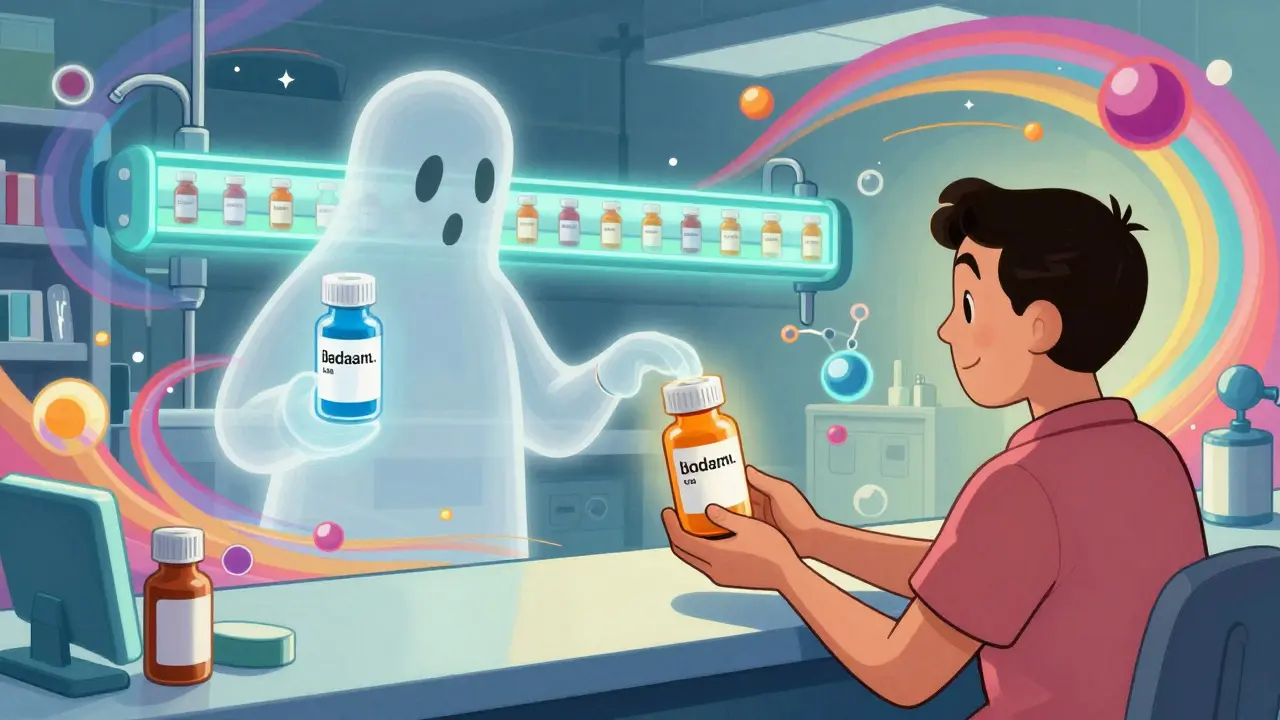
Authorized generics offer the same medication as brand-name drugs at lower prices, made by the original manufacturer. They’re a safer, more reliable option than traditional generics - especially for drugs with narrow therapeutic indexes.
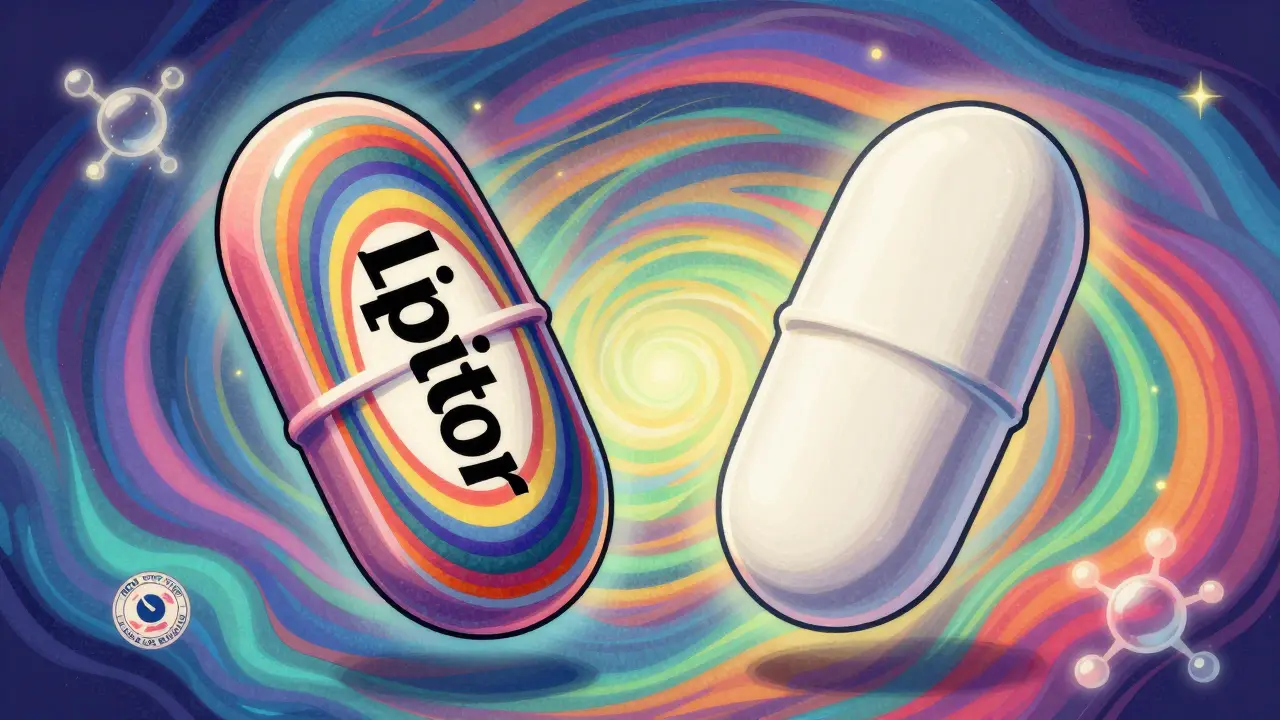
Authorized generics are identical to brand-name drugs in every way except the label. Learn how they work, why they're safer than regular generics for some patients, and how to get them at a lower cost.
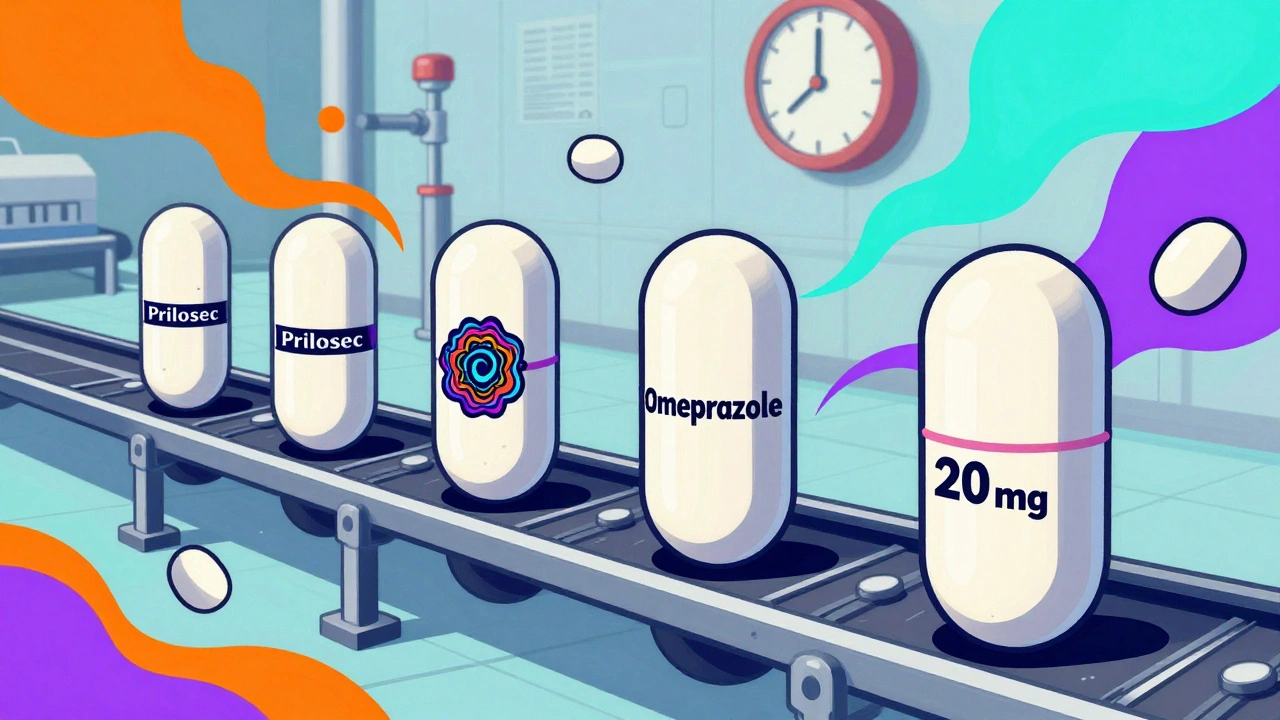
Brand manufacturers produce their own generic versions-called authorized generics-to maintain market share after patents expire. These are identical to the brand drug but sold under a different label, often at a higher price than traditional generics.