
Gut Health: What It Really Means and How Medications Affect Your Digestive System
When we talk about gut health, the balance of bacteria and function in your digestive tract that influences everything from immunity to mental well-being. Also known as intestinal health, it’s not just about avoiding bloating or constipation—it’s the foundation of how your body responds to food, stress, and medicine. Your gut holds trillions of microbes, and they don’t just digest your lunch. They help train your immune system, make vitamins, and even send signals to your brain. When this system gets thrown off—by antibiotics, stress, or poor diet—it can lead to long-term problems like inflammation, food sensitivities, or even mood disorders.
Many medications you take directly impact your microbiome, the community of bacteria living in your intestines that plays a key role in digestion and immune function. Antibiotics are the most obvious disruptors—they wipe out both bad and good bacteria, sometimes for months. But even common drugs like NSAIDs, proton pump inhibitors (PPIs), and antidepressants can change the gut environment. For example, PPIs reduce stomach acid, which lets more bacteria survive the journey to your intestines, potentially causing imbalances. Meanwhile, SSRIs can alter gut motility and serotonin levels, since over 90% of your body’s serotonin is made in the gut. This isn’t theoretical—it’s why some people get diarrhea on antibiotics or nausea on antidepressants.
That’s why probiotics, live beneficial bacteria often taken as supplements to restore gut balance after disruption are so popular. But not all probiotics are equal. Some strains help with antibiotic-related diarrhea; others may help with IBS symptoms or even reduce inflammation. And here’s the catch: probiotics won’t fix a damaged gut if you keep taking drugs that harm it. You need to look at the whole picture—what you’re taking, what you’re eating, and how your body reacts.
What you’ll find below isn’t a list of miracle cures. It’s a collection of real, practical guides that connect gut health to the medications you’re already using. From how azathioprine affects your immune system through gut pathways, to why lithium toxicity can be worsened by dehydration and gut changes, these posts show the hidden links between your pills and your digestive system. You’ll also learn about safe medication disposal to protect your environment, how to read labels for hidden ingredients that trigger gut reactions, and why some drug holidays might actually help your gut recover. This isn’t about supplements or fads. It’s about understanding how your body really works—and how to take better care of it, one pill at a time.
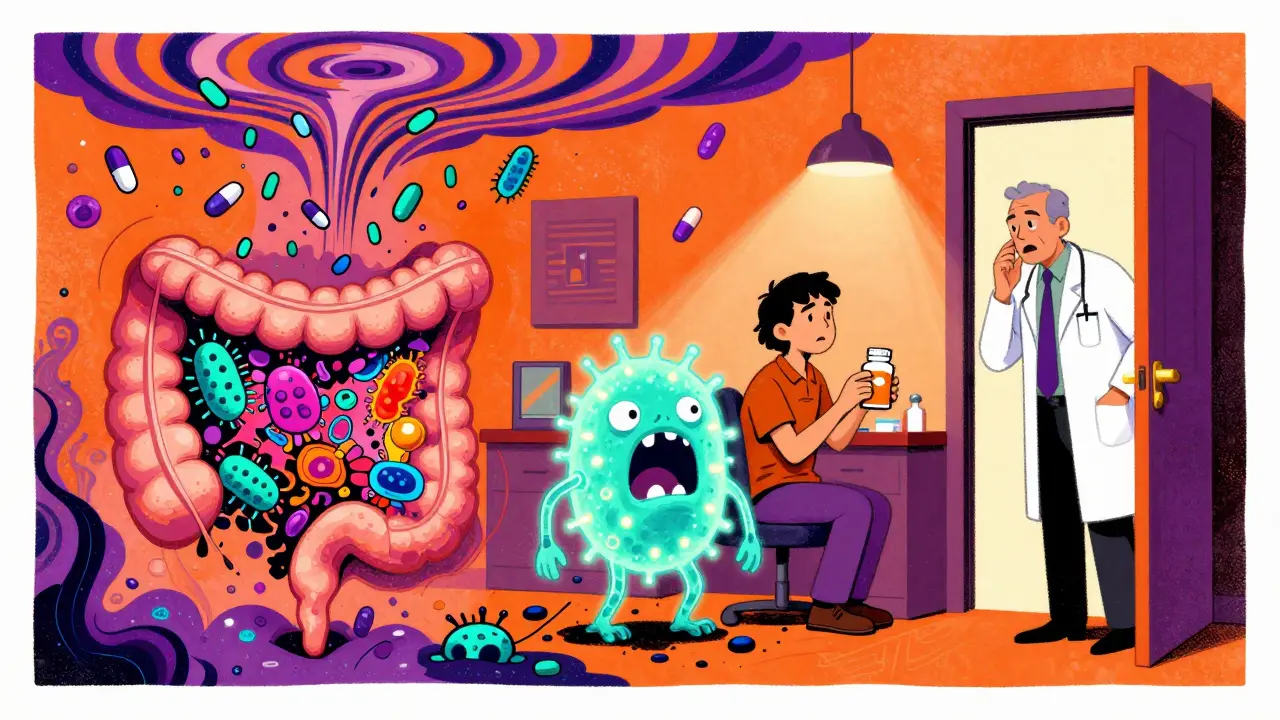
Antibiotic stewardship means using antibiotics only when necessary to fight infections, prevent resistance, and protect your gut microbiome. Learn how smart prescribing saves lives and prevents deadly side effects like C. diff.
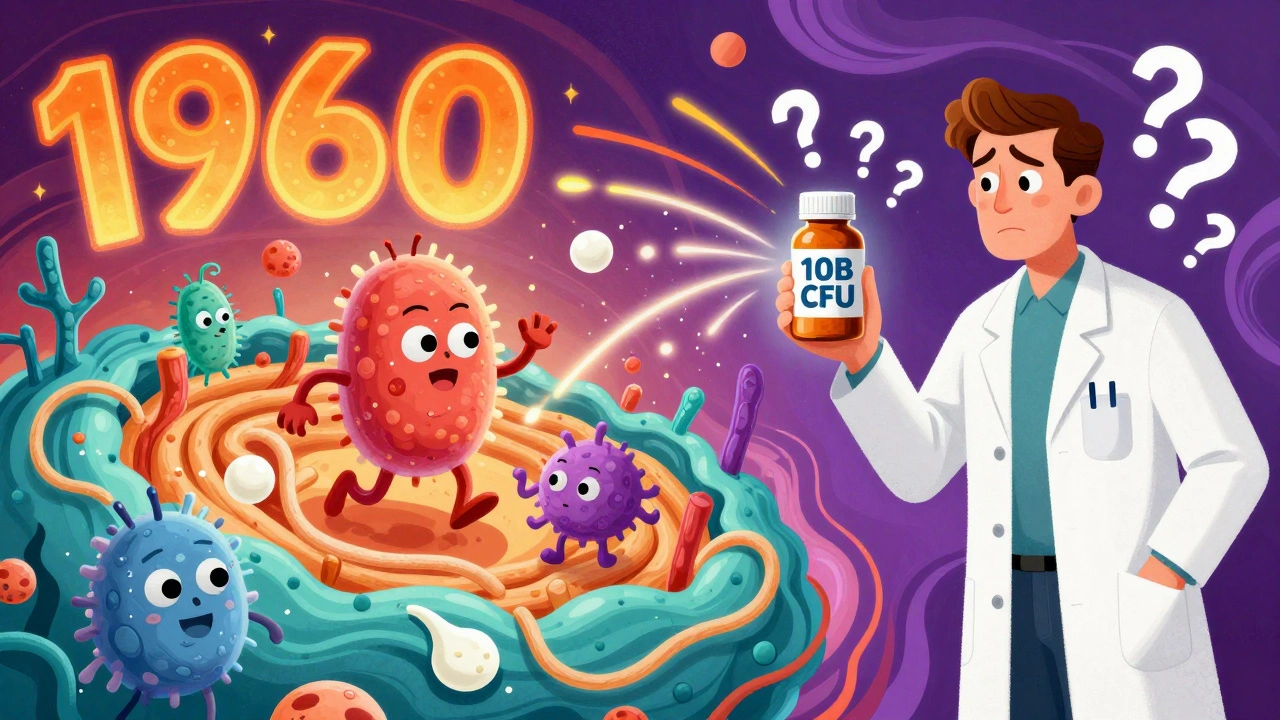
Probiotics can help with antibiotic-associated diarrhea and pediatric infectious diarrhea, but most other claims lack strong evidence. Strain specificity, dosage, and timing matter more than marketing hype.