
Hatch-Waxman Act: How It Shapes Generic Drug Access and Drug Prices
When you pick up a generic version of a brand-name drug and pay a fraction of the price, you’re seeing the impact of the Hatch-Waxman Act, a 1984 U.S. law that created a legal pathway for generic drugs to enter the market without repeating costly clinical trials. Also known as the Drug Price Competition and Patent Term Restoration Act, it’s the reason you can buy simvastatin instead of Zocor, or lisinopril instead of Prinivil—same medicine, far cheaper.
This law didn’t just make generics possible—it built a system that balances two competing goals: rewarding drug companies for inventing new medicines and letting others copy them once patents expire. Before 1984, generic makers had to prove safety and effectiveness from scratch, which took years and cost millions. The Hatch-Waxman Act let them file an Abbreviated New Drug Application (ANDA) with the FDA, using the brand drug’s data as a reference. That cut approval time from 10 years to under 2. But it also gave brand-name companies extra patent time—up to five years—to make up for the time lost during FDA review. This trade-off is why some drugs still have high prices even after patents expire: companies extend protection through minor tweaks, a practice called evergreening.
The Act also created the first legal way to challenge weak patents. Generic manufacturers can file a certification saying a patent is invalid or won’t be infringed. If they’re the first to file, they get 180 days of exclusive market rights—no other generic can enter. That’s why you sometimes see one generic version available before others show up. It’s not luck—it’s the Hatch-Waxman Act in action. This system has led to over 90% of prescriptions in the U.S. being filled with generics today, saving patients and insurers more than $300 billion a year.
But the law wasn’t perfect. Some companies abuse the patent system to delay generics, and not all drugs have affordable alternatives even after patents expire. That’s why you’ll find articles here about drug safety alerts, medication recalls, and how genetic testing like TPMT screening affects who gets which drug. You’ll also see posts on drug holidays, medication disposal, and how St. John’s Wort interferes with prescriptions—all topics that matter because of the access and pricing landscape shaped by the Hatch-Waxman Act. Whether you’re paying out of pocket or through insurance, understanding this law helps you know why your meds cost what they do—and when you might be able to switch to something cheaper.
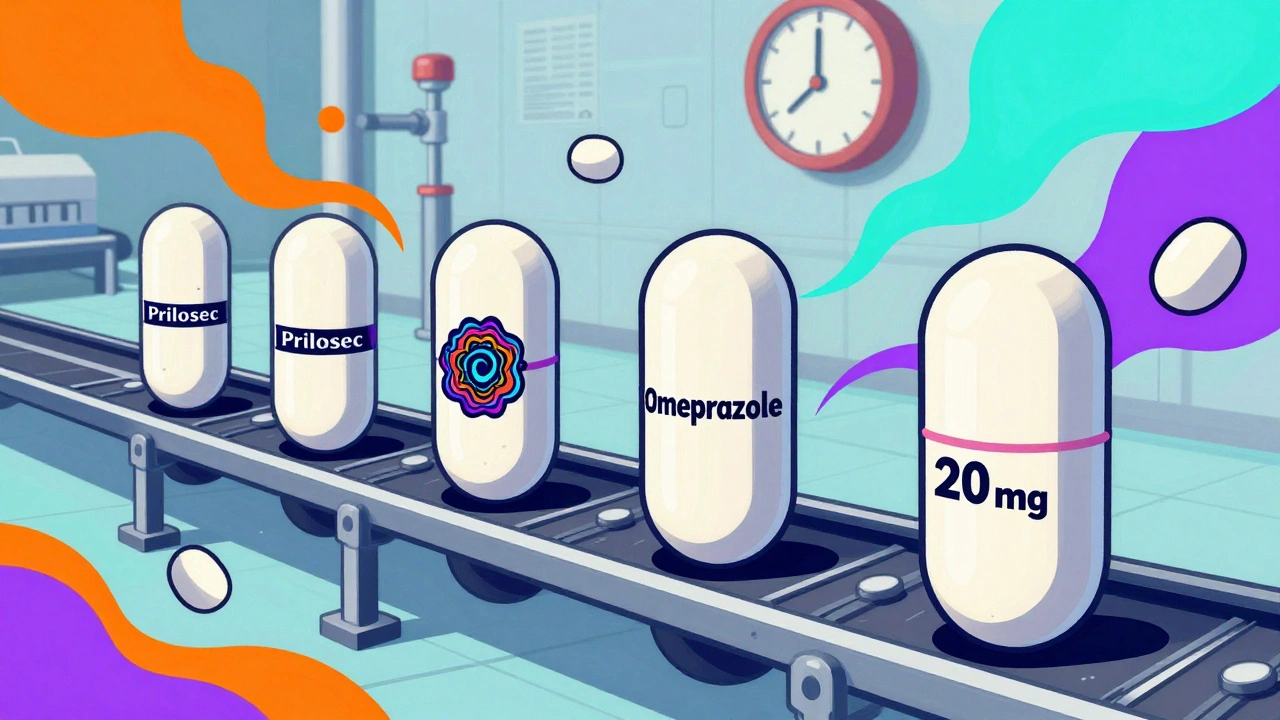
Brand manufacturers produce their own generic versions-called authorized generics-to maintain market share after patents expire. These are identical to the brand drug but sold under a different label, often at a higher price than traditional generics.
The Federal Circuit Court holds exclusive authority over U.S. pharmaceutical patent cases, shaping drug availability, pricing, and innovation. Its rulings on ANDA litigation, dosing patents, and Orange Book listings directly impact generic drug entry and patient access.