
Medication Interactions: What You Need to Know Before Taking Pills Together
When you take more than one medication, medication interactions, harmful or unexpected changes that happen when drugs react with each other, other substances, or even food. Also known as drug interactions, they can turn a safe treatment into a health risk—sometimes without warning. This isn’t just about mixing pills. It’s about how your statin reacts with grapefruit, how your blood pressure drug plays with a common painkiller, or why your antihistamine makes you drowsy when you add a sleep aid. These aren’t rare edge cases. They happen every day, and many people don’t realize it until something goes wrong.
Take statins, cholesterol-lowering drugs often linked to muscle pain and liver stress. If you’re on one and also take a common antibiotic like clarithromycin, your body can’t break down the statin properly. That raises the risk of muscle damage so severe it can lead to kidney failure. Or consider midodrine, a blood pressure drug that’s processed by the liver. If you’re also taking something that stresses your liver—like certain pain relievers or herbal supplements—you’re adding pressure to an organ already working overtime. Even something as simple as lignocaine, a local anesthetic used in oral gels, can interact with heart medications if swallowed in large amounts. These aren’t theoretical risks. They’re documented, preventable, and often ignored because people assume their doctor already checked everything.
It’s not just about prescriptions. Over-the-counter meds, supplements, and even foods can trigger reactions. A common allergy medicine like desloratadine won’t boost your immune system, but mixing it with alcohol or sedatives? That’s a recipe for extreme drowsiness. And if you’re on warfarin or any blood thinner, a single change in your vitamin K intake—like eating more kale or switching brands of supplements—can throw your clotting levels off balance. These interactions don’t always cause immediate symptoms. Sometimes, they build up slowly, damaging your liver, kidneys, or heart over weeks or months. That’s why checking every new pill, even a vitamin, is part of staying safe.
Knowing what to ask and where to look makes all the difference. Look at your label—not just for the active ingredient, but for inactive ones too. Sesame oil, gluten, or artificial colors might not seem like big deals, but they can trigger reactions if you’re sensitive. And if you’re taking five or more medications, you’re statistically more likely to have a dangerous interaction. Your pharmacist isn’t just there to hand out pills—they’re trained to catch these clashes before they happen. Don’t assume your doctor knows every supplement you take. Write it all down. Bring it with you. Ask: "Could this interact with anything else I’m using?"
Below, you’ll find clear, practical guides on real-world medication interactions—from how statins affect exercise recovery to why mixing certain blood pressure drugs with liver-stressing compounds can be risky. Each post breaks down specific combinations, explains what to watch for, and shows you how to avoid danger without giving up the meds you need.
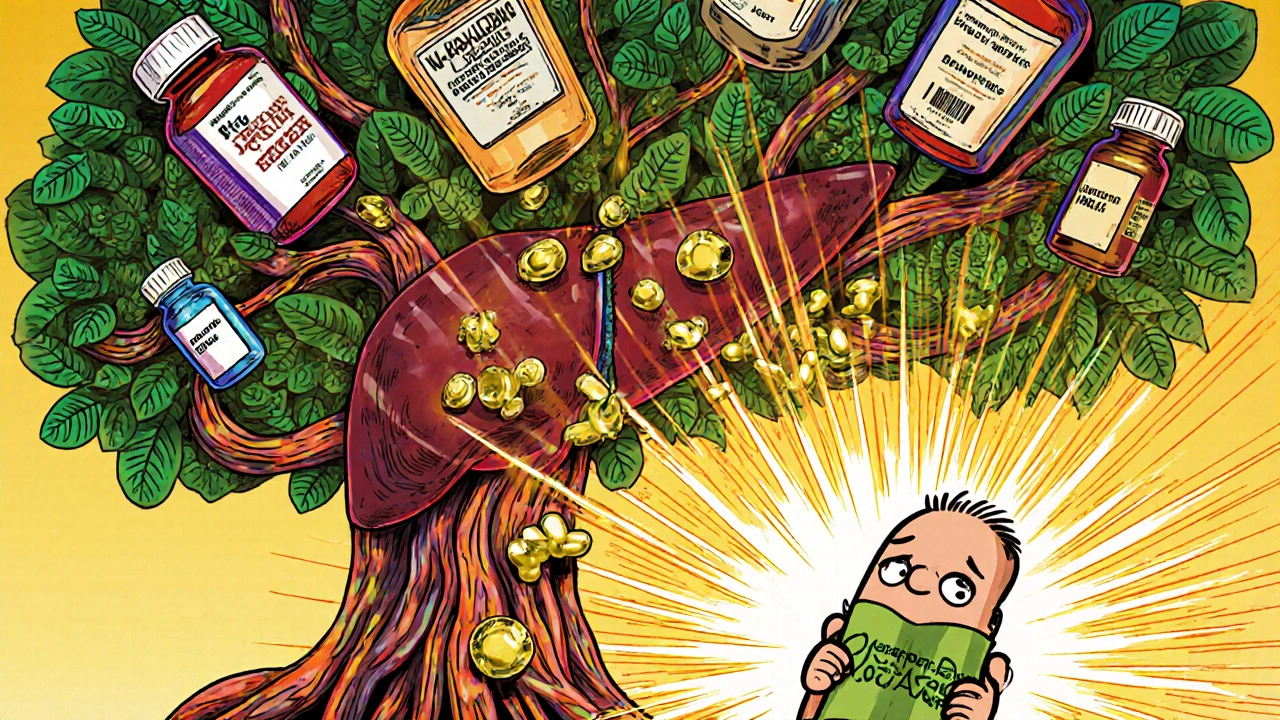
St. John’s Wort can dangerously reduce the effectiveness of warfarin, birth control, HIV meds, and antidepressants. Learn which prescription drugs it interferes with and why even 'natural' supplements aren't safe to mix.