
Author: Andy Dargon - Page 2
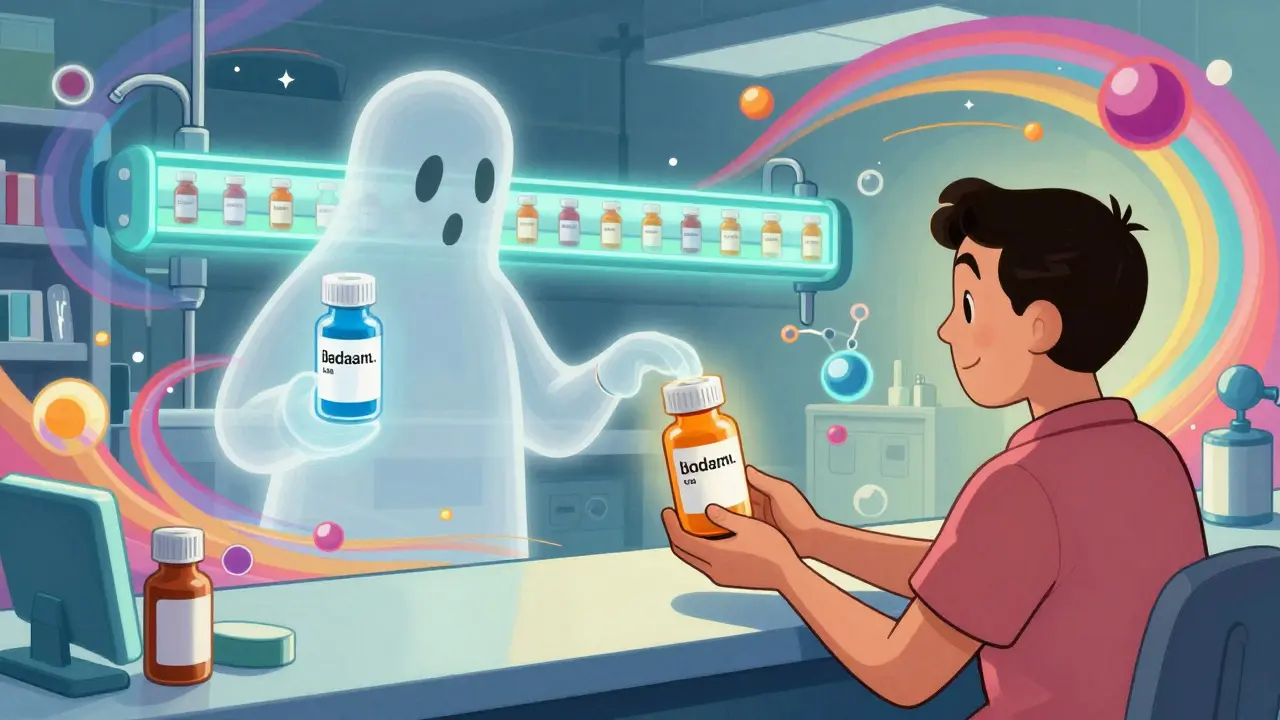
Authorized generics offer the same medication as brand-name drugs at lower prices, made by the original manufacturer. They’re a safer, more reliable option than traditional generics - especially for drugs with narrow therapeutic indexes.
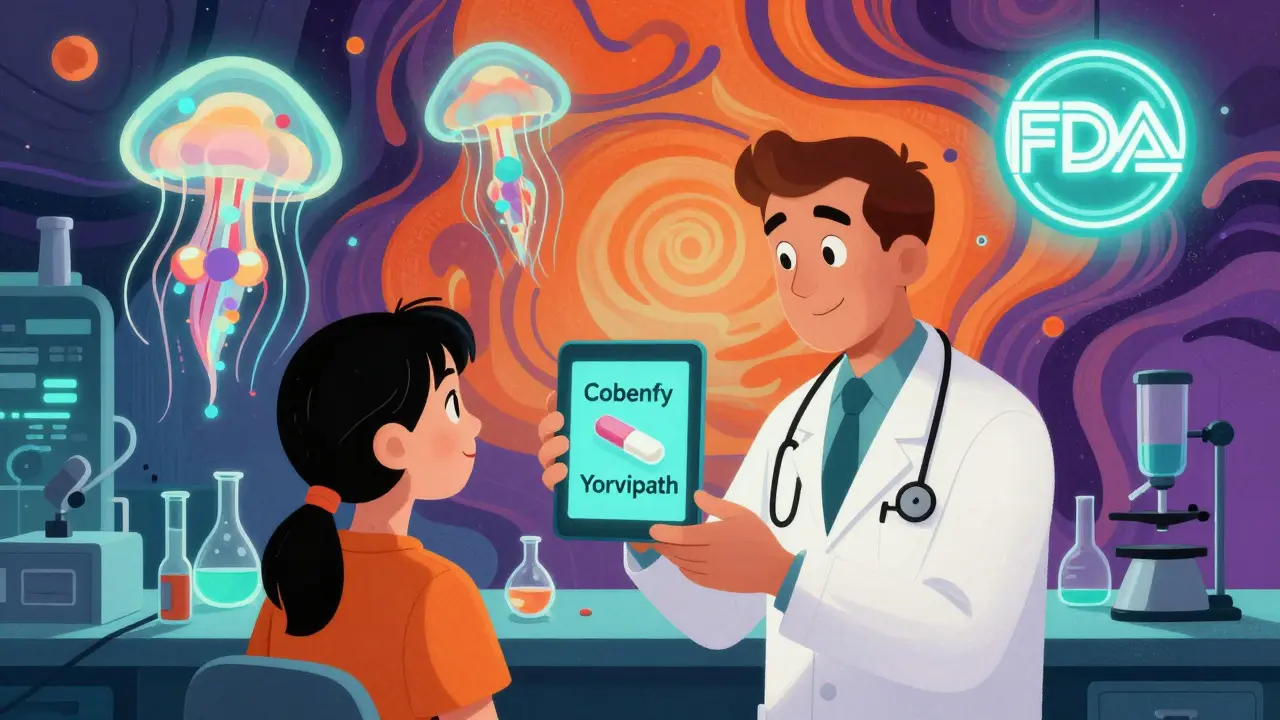
In 2024, the FDA approved 50 new drugs, including breakthrough treatments for Alzheimer’s, schizophrenia, and heart failure. This article breaks down their real-world safety profiles, known risks, and what’s coming in 2025.
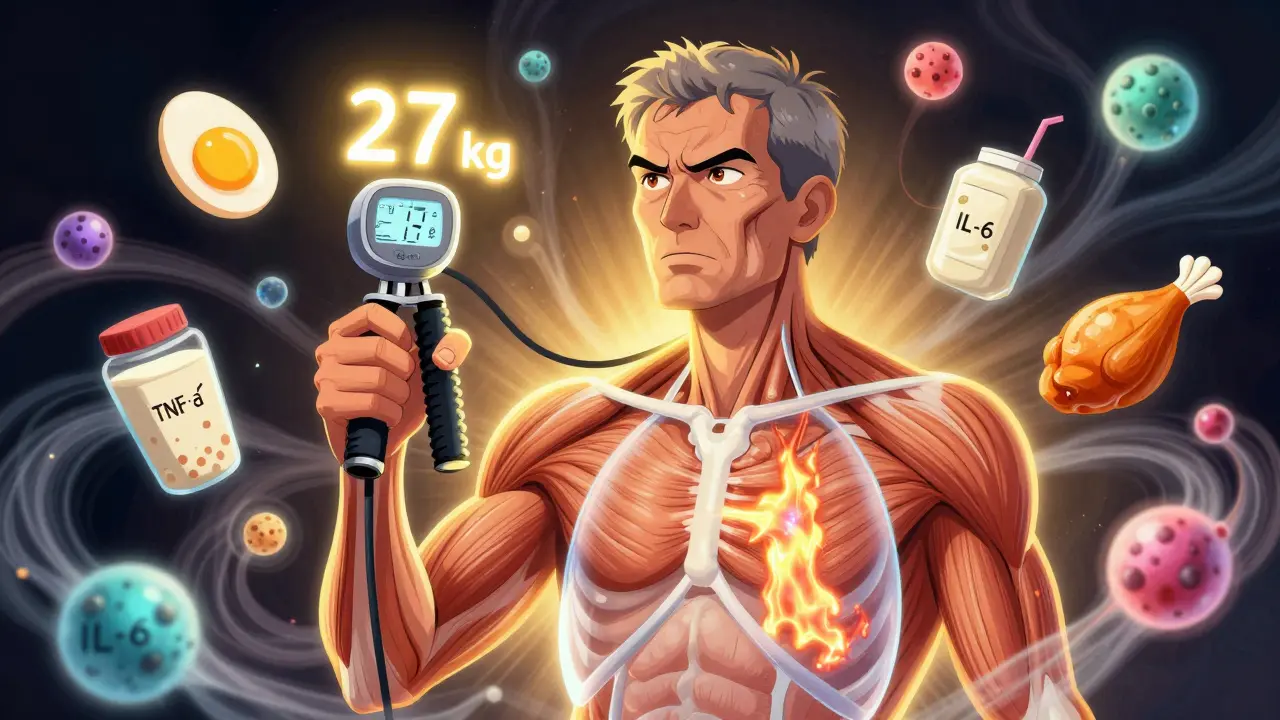
Sarcopenia worsens COPD outcomes by weakening breathing muscles and reducing mobility. Learn how targeted nutrition (1.2-1.5g protein/kg/day) and low-load resistance training can improve strength, reduce hospitalizations, and extend life.
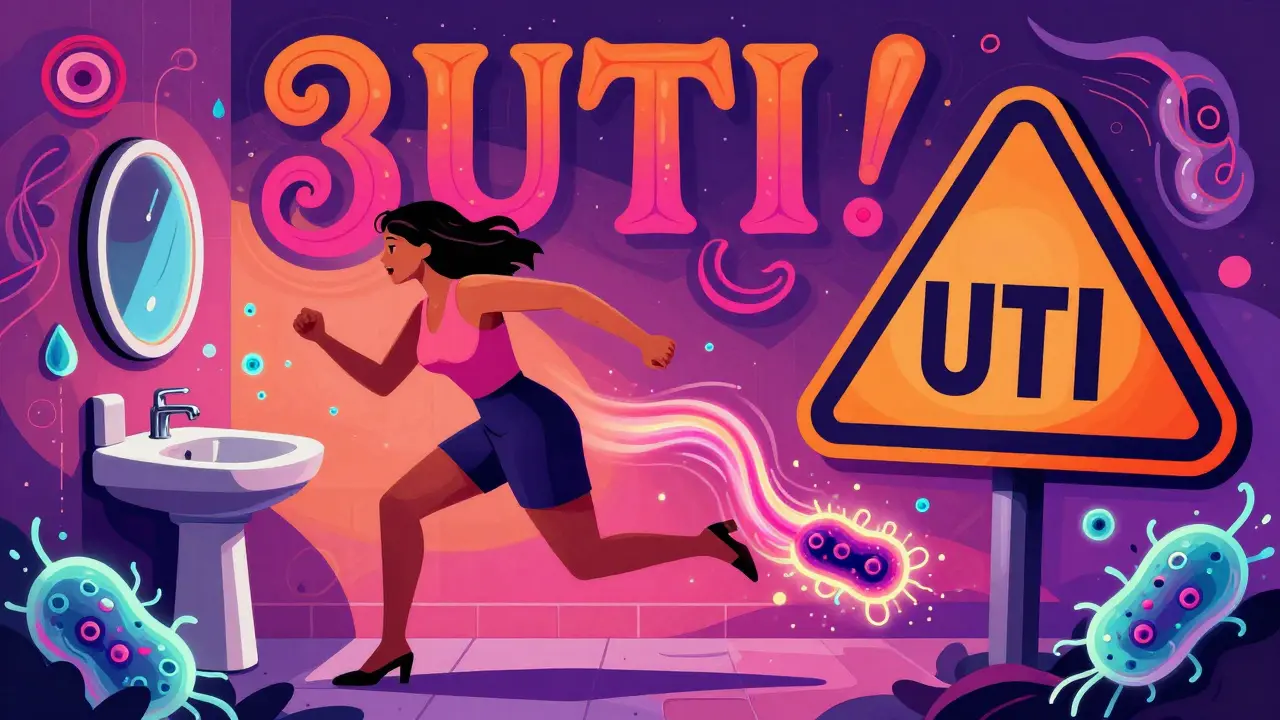
Urinary tract infections affect millions yearly, mostly caused by E. coli. Learn the causes, effective antibiotics, and proven prevention methods-from hydration to D-mannose and vaginal estrogen.

mRNA therapeutics have revolutionized medicine, but their side effects and long-term safety are closely monitored. Learn what’s common, what’s rare, and how global systems track safety after approval.
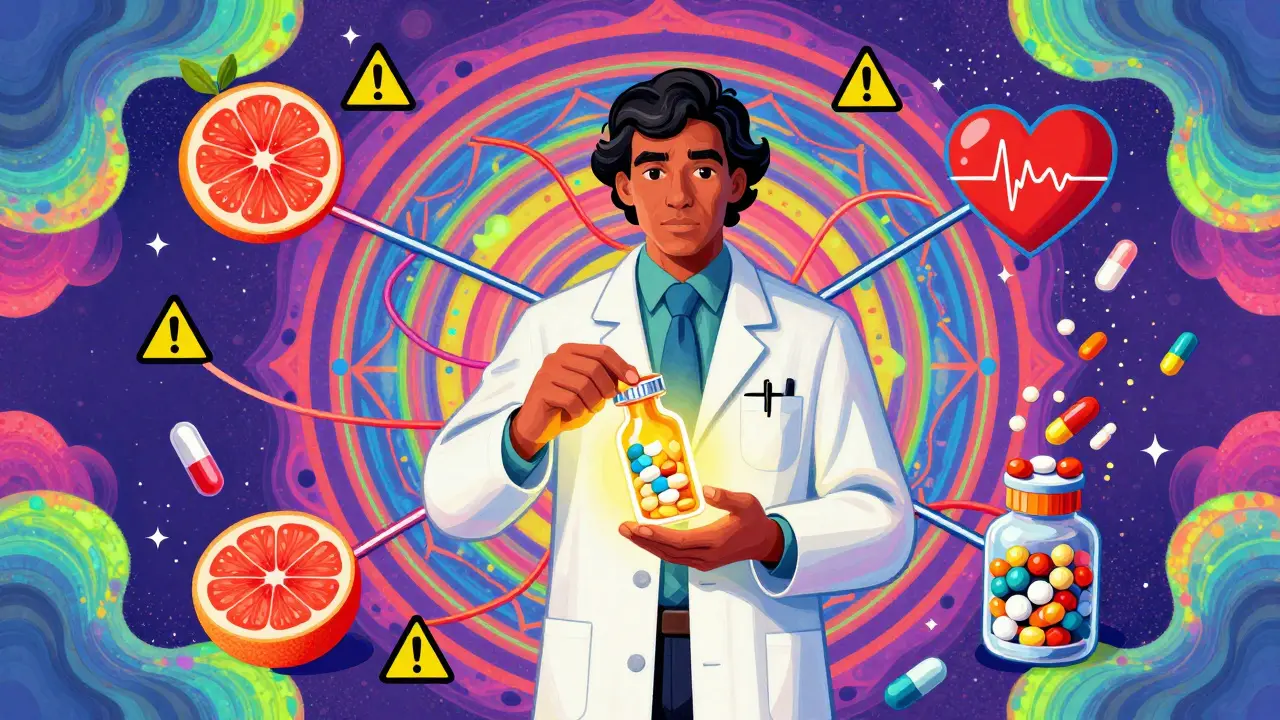
Learn the essential questions to ask your pharmacist about drug interactions to avoid dangerous side effects, hospital visits, and medication failures. Your safety starts with a simple conversation.
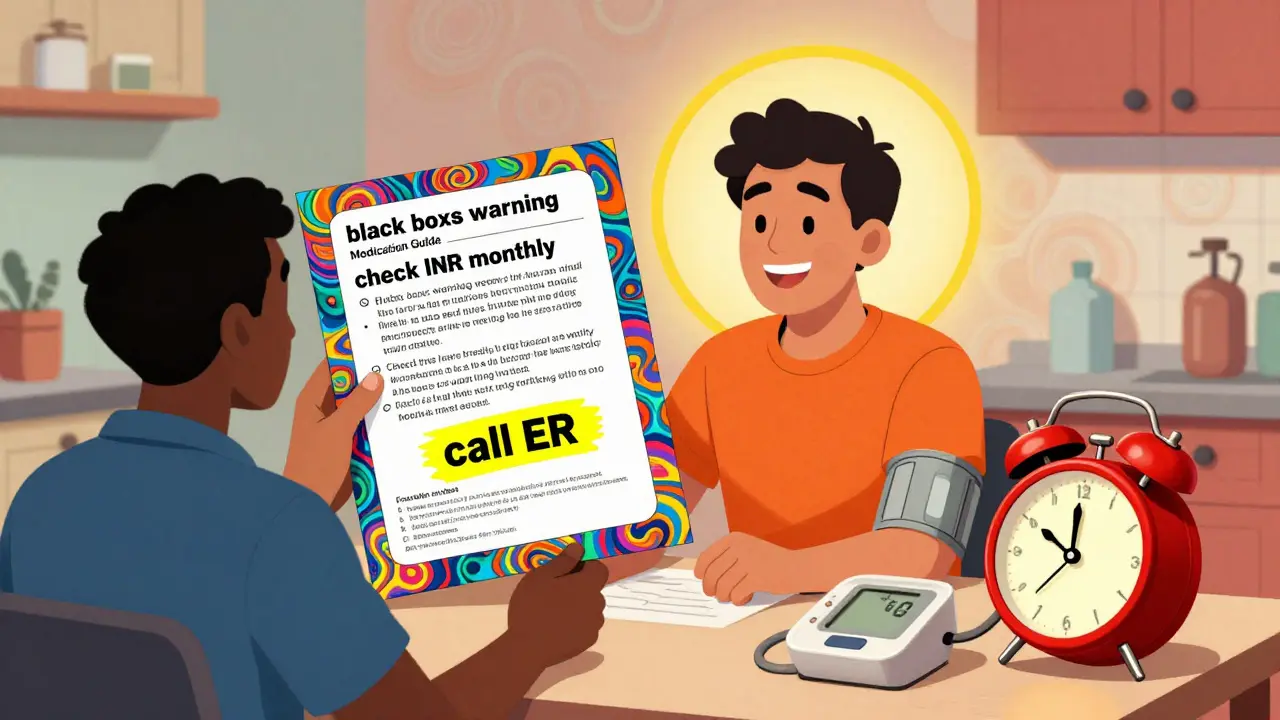
Learn how to read Medication Guides to spot serious drug risks and follow critical monitoring steps. These FDA-mandated guides can prevent life-threatening side effects-if you know where to look.
Follow these five essential rules to take your medication safely and avoid dangerous errors. Learn how to verify the right drug, dose, time, route, and patient - plus key tips to prevent mistakes at home.
Birth control pills are widely used but their effectiveness drops without perfect use. Learn how they work, their real-world failure rates, common side effects, dangerous drug interactions, and what to do if you miss a pill.
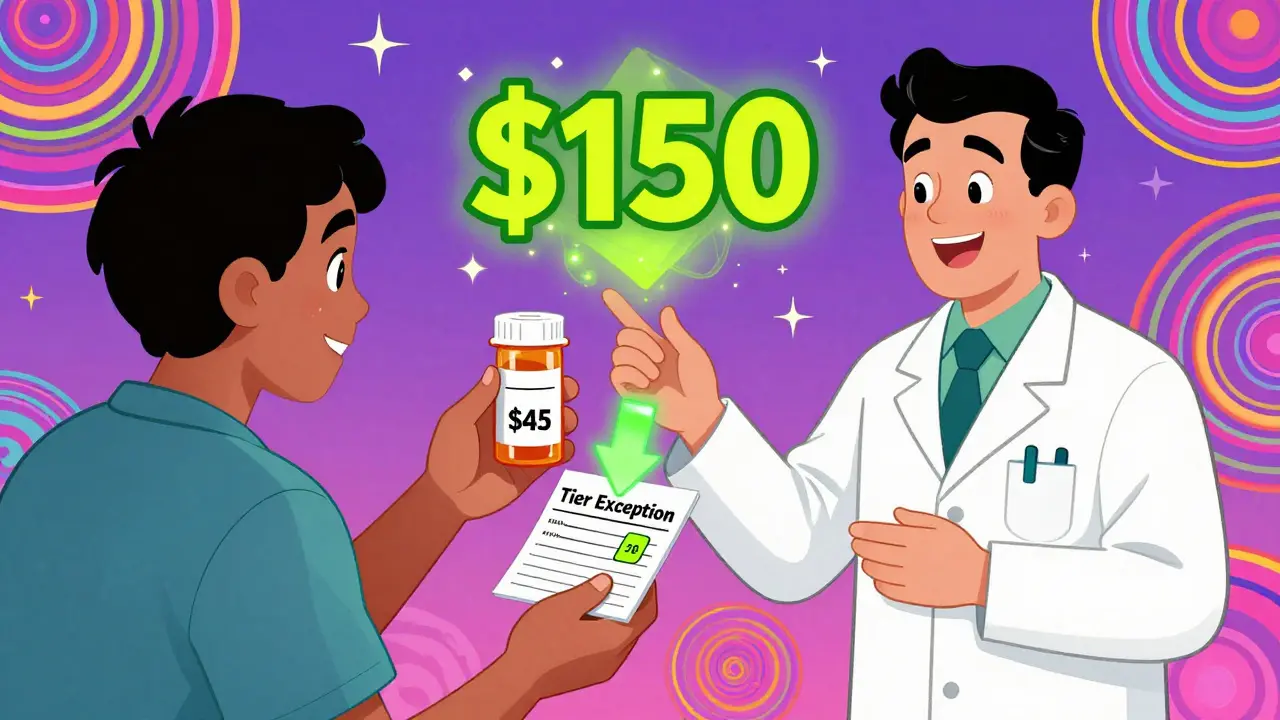
Learn how to request a tier exception to lower your medication copays by moving a covered drug to a cheaper tier. Save hundreds per month with this underused Medicare Part D benefit.